Travel with autism goes smoothly when you plan for predictability, rehearse the transitions that matter most, and carry a small sensory kit for quick regulation. Before you book anything, call ahead and request assistance in writing. Pack ear defenders, a comfort item, and a visual itinerary. Everything else below builds on that foundation.
TL;DR:
Creating visual schedules and rehearsing transitions can significantly reduce anxiety and improve familiarity for autistic travelers, with key steps including practice runs and photo-based narratives.
Packing a sensory kit tailored to individual triggers—such as noise-reducing headphones, familiar snacks, and comfort objects—ensures effective regulation during travel.
Early assistance requests from airlines and airports, including requesting quiet spaces and documented support, are crucial for smooth security and boarding processes.
Choosing autism-friendly accommodations with sensory accommodations, trained staff, and flexible environmental features can prevent overstimulation and meltdowns.
Prioritizing rest, setting realistic schedules with one major activity per day, and having contingency plans help maintain regulation and reduce travel stress for autistic individuals.
Table of Contents
Autism Travel Tips: The Essential Checklist
Traveling with an autistic child, or as an autistic adult, comes down to reducing unknowns and having tools ready when things get loud, bright, or unpredictable. These are the tips that consistently make the biggest difference.
Rehearse before you go. Practice runs, even short car rides, build tolerance for the real thing.
Build a social story. A simple, photo-based narrative of the trip lowers anxiety about what comes next.
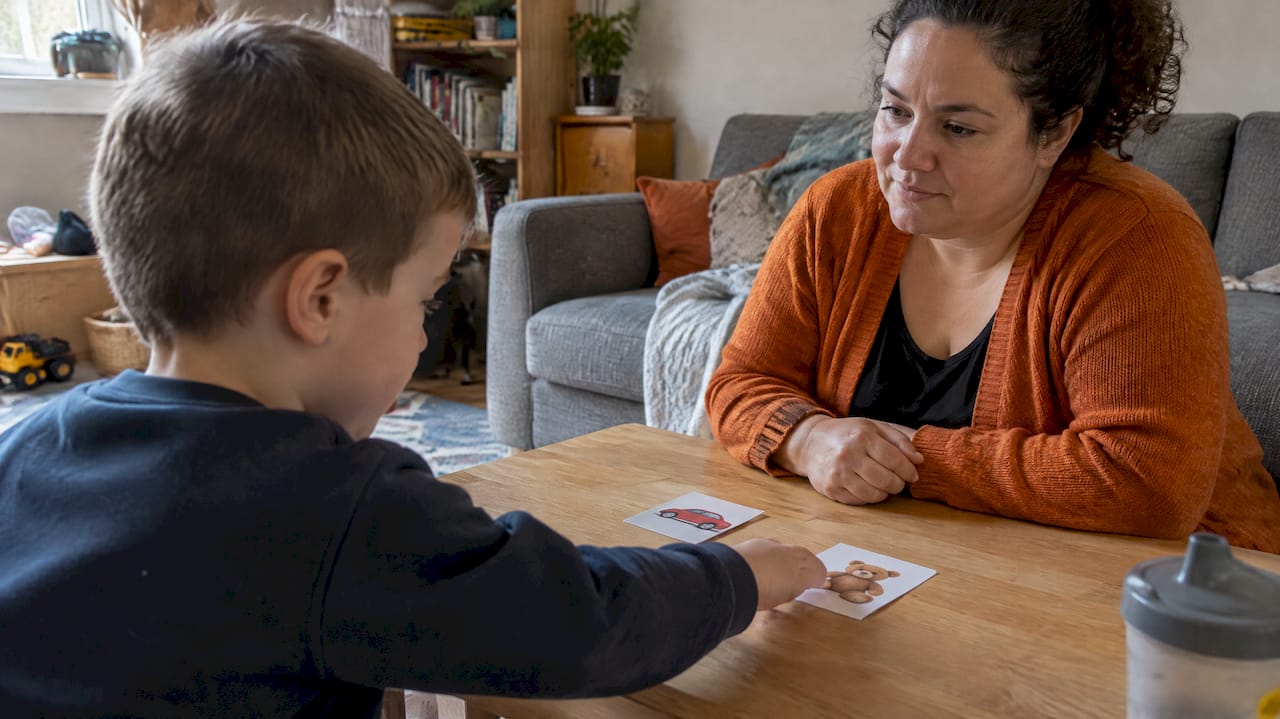
Create a visual itinerary. Two to four cards showing the sequence of the day beats a verbal explanation every time.
Pack a sensory kit. Ear defenders, fidgets, and a comfort object travel in your carry-on, not checked luggage.
Choose seats strategically. Aisle access, window seats, or extra legroom can prevent a meltdown before it starts.
Request assistance early. Call the airline or venue guest services days in advance, not at the gate.
Pace the schedule. One major activity per day protects energy for the unexpected.
Bring familiar comforts. A favorite snack or blanket signals safety in an unfamiliar place.
Have a contingency plan. Know what you’ll do if a flight is delayed or a line is too long.
Carry meds and documents together. One folder, one bag, always in your possession.
Use identification tools. A card or bracelet that explains communication needs can speed up help from staff.
Protect downtime. Build in recovery hours, not just activity hours.
Predictability and sensory regulation matter more than packing in extra sights. That single shift changes how the whole trip feels.
How to Prepare and Rehearse With Social Stories and Visual Schedules
A social story is a short, simple narrative that walks through what will happen, step by step, using plain language and pictures. A visual schedule is the same idea in card form: a sequence of images representing the trip’s key moments, from “we pack the car” to “we get on the plane” to “we arrive at the hotel.” Both tools work because they turn an abstract unknown into something concrete the brain can hold onto. Social stories and visual itineraries consistently reduce the emotional load of travel by giving autistic travelers something to rehearse rather than something to fear.
Building one takes less time than you’d think:
Pick four to six key moments (security line, boarding, hotel check-in, first meal).
Photograph or find images representing each one.
Write one short, factual sentence per image. Avoid guessing at feelings; describe actions.
Add a choice where possible (“You can bring your tablet or your book”).
Rehearse the schedule daily for a week before departure, then focus mini-exposures on the hardest transitions. A mock security line at home, using a bin and a “wand,” beats a dozen readings of the story alone. For a deeper walk-through, our visual schedules guide covers card-building templates you can reuse for school mornings and doctor visits too.
Pro Tip: Rehearse the transition, not the destination. Kids rarely struggle with “being at the beach.” They struggle with the ten minutes of waiting, walking, and noise that gets them there.
Packing a Sensory Kit That Actually Gets Used
A sensory kit only works if it’s built around the specific person’s triggers, not a generic list pulled from a blog. Start with what regulates your child or yourself on an ordinary day, then miniaturize it for travel.
Core items worth prioritizing:
Noise-reducing headphones or ear defenders, tested at home first so they’re not a new sensation on travel day.
Sunglasses or a cap for bright terminals and unfamiliar lighting.
Two or three fidgets or chew tools, chosen for texture preference, not novelty.
Shelf-stable favorite snacks, since airport food options can be unreliable and unfamiliar.
One comfort object that’s easy to replace if lost, and one backup packed separately.
A charged device, plus a portable power bank, for a predictable escape into familiar media.
A full change of clothes in the carry-on, not the checked bag.
Duplicate the small stuff. Two of the same fidget, two chargers, two snack types, so a lost item doesn’t become a crisis. For families still figuring out sensory profiles, our sensory diet guide breaks down which inputs tend to calm versus overstimulate.
Airports, Airlines, and Getting Through Security
Assistance at airports and on planes is available, but it has to be requested, usually more than once. Call the airline’s disability services line 48 to 72 hours before your flight, ask specifically for pre-boarding, gate escort, or a quiet waiting area, and get the confirmation in writing or in the booking notes.
At security, TSA maintains special procedures for travelers with disabilities, including autism. You can request a private screening area, ask an officer to explain each step before it happens, and notify TSA staff in advance through TSA Cares if timing allows. Practical prep steps that help:
Notify the TSA officer at the checkpoint before screening begins.
Keep sensory items accessible for a quick recheck rather than buried in a bag.
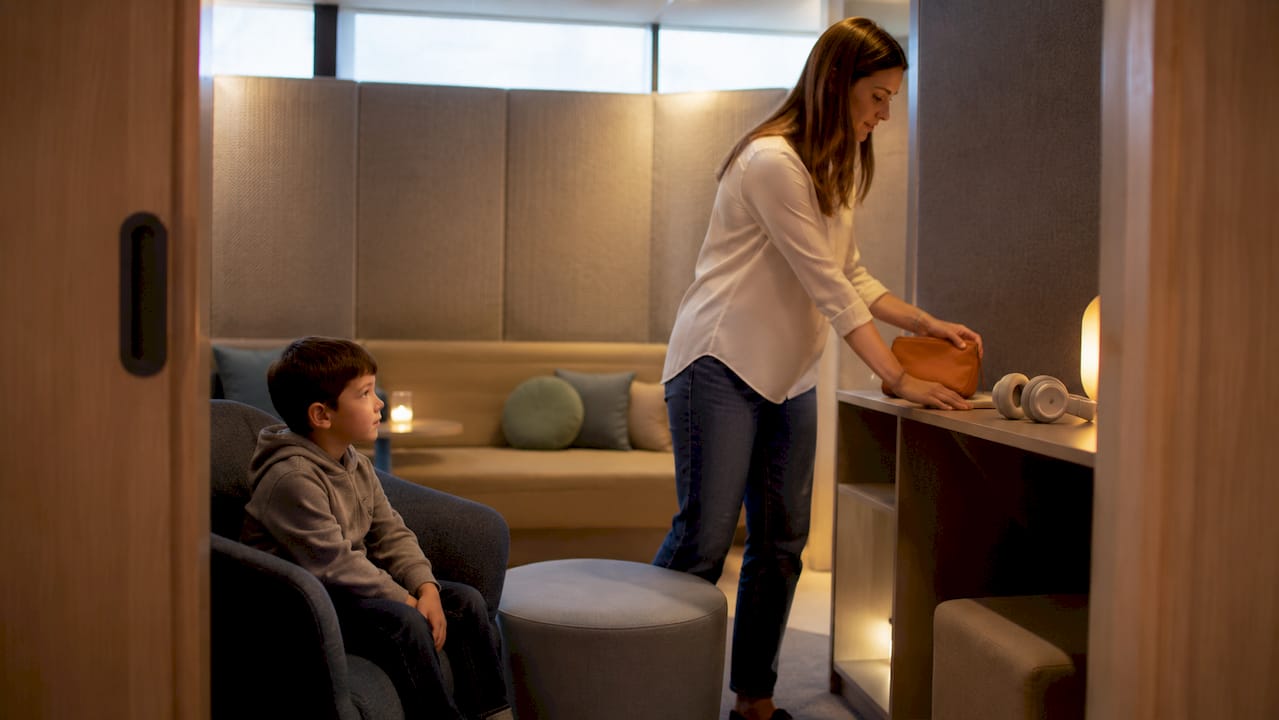
Ask whether your airport has a sensory room; a growing number do.
If you travel with a service animal, the U.S. Department of Transportation’s service animal air transportation form outlines what documentation airlines can require and what they cannot. Fill it out and submit it days ahead, not at check-in. For emotional support animal documentation and rights questions beyond air travel, SupportPet’s ESA rights guide is a useful reference.
Sensory support programs now exist at hundreds of airports and venues through initiatives like KultureCity, which provides sensory bags and staff training so travelers can find quiet spaces without hunting for them on arrival.
Choosing Autism-Friendly Accommodations and Attractions
Not every hotel or attraction is built the same way, and a five-minute phone call before booking saves hours of stress on arrival. Ask directly:
Is there a quiet room or low-traffic floor available?
Can you request early check-in to avoid a crowded lobby wait?
Is a mini-fridge available for specific foods or medications?
Can lighting or television volume be adjusted in advance?
Does staff have any sensory-awareness training?
Certified Autism Center and Certified Autism Destination designations, issued through IBCCES, mean staff at that venue completed autism and sensory-awareness training. It’s a practical shortcut: instead of guessing whether a theme park or hotel will handle a meltdown well, you can search for one that’s already trained for it. When you check in, hand the front desk a one-page needs profile listing communication style, triggers, and what helps, so you’re not repeating it under stress.
Protecting Routines, Pacing, and Recovery Mid-Trip
The biggest mistake in travel planning isn’t forgetting an item. It’s overscheduling. One major activity a day, protected sleep and meal times, and built-in downtime keep regulation intact far better than a packed itinerary. Parents who prioritize rest and predictability over sightseeing consistently describe smoother trips, even when they see less.
Use ID cards or bracelets listing communication needs and an emergency contact.
Set up simple check-in systems, like a shared location tracker, for older kids or teens who wander.
Watch for early overload signs, covering ears, repetitive movement, quiet withdrawal, before they escalate.
Have a rehearsed staff script ready: “My child is autistic and needs a quiet space for a few minutes.”
Day-Of Checklist and Two Contingency Plans
Day-of essentials:
Documents and medications in one accessible folder.
Sensory kit in the carry-on, not checked.
Chargers and power bank fully charged.
Written confirmation of any requested assistance.
Visual itinerary card set for the day’s transitions.
Missed connection: Move to a quiet corner away from the rebooking line first, then have one adult handle logistics while the other manages sensory needs. Rebooking can wait five minutes; regulation can’t.
In-transit meltdown: Locate the nearest quiet space or family restroom, use noise-reducing headphones immediately, and ask staff directly: “We need a few minutes in a quiet area.” Most trained staff, especially at KultureCity-partnered venues, know exactly what that request means.
Trusted Resources and Certifications Worth Knowing
Families don’t need to reinvent travel planning from scratch. A handful of established programs already do the groundwork.
IBCCES’s Certified Autism Center and Destination marks venues with trained staff and sensory accommodations.
KultureCity partners with airports and attractions to provide sensory bags and quiet rooms.
The Hidden Disabilities Sunflower is a wearable marker that discreetly signals a traveler may need extra patience or support.
TSA’s special procedures explain what to expect and request at security.
The DOT’s service animal form governs documentation for air travel.
Champion Autism Network offers community cards that alert local businesses to accommodation needs.
Autism Victory App’s visual-schedule templates, calming sound library, and state-specific resource navigator map directly onto these same steps, giving you one place to build the itinerary, pack the kit, and find local support before you ever reach the airport.
What I’ve Learned From Watching Families Travel Differently
No two autistic travelers hit the same friction points, so no single checklist fits every trip perfectly. What holds up across families is the underlying priority: protect regulation first, and let the itinerary bend around it. Small, calm wins beat ambitious ones.
— Ronnie Talent
Try Autism Victory App Before Your Next Trip
Planning a trip shouldn’t mean juggling five different apps and a stack of printouts. Autism Victory App puts the tools this article covers, visual schedule templates, a calming sound library for the airport wait, and a state-by-state resource navigator, in one place you can open from your phone at the gate. The caregiver community inside the app also means you can ask someone who’s flown with a nonverbal ten-year-old what actually worked, instead of guessing.
Start with the 7-day free trial and build your first visual itinerary before you book a single flight. It takes less time than one round of packing.
Sources
Recommended