Best Autism Resources in Spanish for US Families
Spanish-speaking families navigating autism in the United States deserve more than a translated pamphlet. The good news: a growing network of Spanish-language autism resources now covers everything from diagnosis support to daily caregiving tools. Here are the most trusted options available to you right now.
Top Spanish-language autism resources for US families:
Autismo Diario — One of the most widely read Spanish-language autism news and education platforms, covering research, therapy approaches, and family stories.
Autism Society — Offers Spanish-language materials, a bilingual helpline, and local chapter connections across the US.
Autismo.pr — A Puerto Rico-based hub with resources relevant to Spanish-speaking families throughout the US.
Espectro Autista — Provides in-depth Spanish-language guides on autism spectrum characteristics and support strategies.
Autismo Amor — A community-focused platform offering emotional support content and family resources in Spanish.
Autism Speaks — Maintains a dedicated Spanish section with toolkits, guides, and a Spanish-language helpline.
Autismo España — Spain’s national autism confederation, whose Spanish autism community support materials and emotional regulation programs are widely used by US families.
La Sonrisa de Arturo — A Spanish-language blog and resource hub created by a parent, offering relatable caregiving content.
Desafiando al Autismo — Focuses on practical strategies and advocacy for Spanish-speaking families.
Centro Español sobre Trastorno del Espectro del Autismo (CETEA) — Spain’s leading expert body on autism spectrum disorder, whose clinical guidance informs Spanish-language support materials globally.
ASERT — Pennsylvania’s Autism Services, Education, Resources, and Training collaborative, which produces translated resources and addresses language barrier gaps in autism service access.
Autism Victory App — A US-based caregiver platform with Spanish-language books, audiobooks, AI-powered guidance, and state-specific resource navigation built specifically for families like yours.
Table of Contents
Support groups and community resources for Spanish-speaking families
Educational materials and guides in Spanish
Addressing language and cultural barriers in accessing autism services
Why early, multidisciplinary diagnosis matters so much
Neurodivergence-affirming approaches for Spanish-speaking caregivers
How Autism Victory App supports Spanish-speaking caregivers
How to access local and national Spanish-language autism services
Eligibility criteria and enrollment steps for public autism support programs
Legal rights and advocacy resources available in Spanish
Financial aid and insurance options for autism therapies in the US
Collaborating with healthcare providers and educators in Spanish
Autism Victory App brings it all together for your family
Key Takeaways
Support groups and community resources for Spanish-speaking families
Finding other families who understand your experience, in your language, changes everything. Peer connection reduces caregiver isolation and helps families share practical knowledge that professionals often don’t provide.
Several national and regional networks offer Spanish-language community support:
Autism Society local chapters host Spanish-speaking support groups in many states, including California, Texas, Florida, and New York. Check their chapter finder for bilingual meeting options.
Autism United of Wisconsin offers Spanish-language programming and connects Latino families with local services.
Latino autism parent networks operate through Facebook groups and WhatsApp communities, providing real-time peer support in Spanish.
Autismo España and FESPAU maintain directories of family-focused programs, including emotional regulation workshops and caregiver respite resources.
Local school district parent advisory groups often include Spanish-speaking liaisons who can connect you with community autism support.
Culturally sensitive community connection matters beyond language. Many Spanish-speaking families navigate autism within cultural frameworks that emphasize family privacy and collective caregiving. Support groups that understand this dynamic, rather than working against it, produce better outcomes for both caregivers and autistic individuals.
Educational materials and guides in Spanish
The range of Spanish-language autism education materials has expanded considerably. You no longer have to rely on machine-translated documents or outdated pamphlets.
“Autismo: Mi Mochila Invisible” — A children’s book using the “invisible backpack” metaphor to explain masking and emotional regulation to young readers. It’s one of the most effective tools for helping siblings and classmates understand autism.
Autism Speaks Spanish toolkit — Covers diagnosis, therapy options, school rights, and transition planning. Available as a free download at autismspeaks.org/espanol.
ECHO Autism — UC Davis Health launched a Spanish-language version of its ECHO Autism education program for families, delivered via telehealth and video sessions.
Texas Tech Burkhart Center maintains a curated Spanish-language resource library covering early intervention, behavior support, and family guides.
Autismo Diario’s article library — Hundreds of peer-reviewed research summaries and practical guides, all in Spanish.
Autism Victory App — Includes Spanish-language caregiver books and audiobooks you can access on your phone, covering topics from first diagnosis to adult transition.
For emotional regulation specifically, look for programs designed around sensory processing and self-regulation rather than pure behavioral compliance. These tend to be more effective and less stressful for both children and caregivers.
Addressing language and cultural barriers in accessing autism services
The gap between available autism services and Spanish-speaking families who can actually access them is real and well-documented. Key supports like Medicaid waivers, school IEP processes, and early intervention programs often lack native-language access, leaving families dependent on informal interpreters or simply going without.
Common barriers include:
Intake forms and eligibility documents available only in English
Service providers without bilingual staff or trained interpreters
Cultural mismatch between clinical recommendations and family values
Lack of awareness about available programs due to language-limited outreach
Organizations like ASERT address this directly by producing translated resources and connecting families with culturally sensitive support navigators. “Bridge” organizations, often community health workers or promotoras, play a critical role in helping Spanish-speaking families understand and apply for services they qualify for but don’t know how to access.
Autismo España and FESPAU offer emotional regulation programs and family-focused directories that many US-based Spanish-speaking families use to supplement what’s available locally.
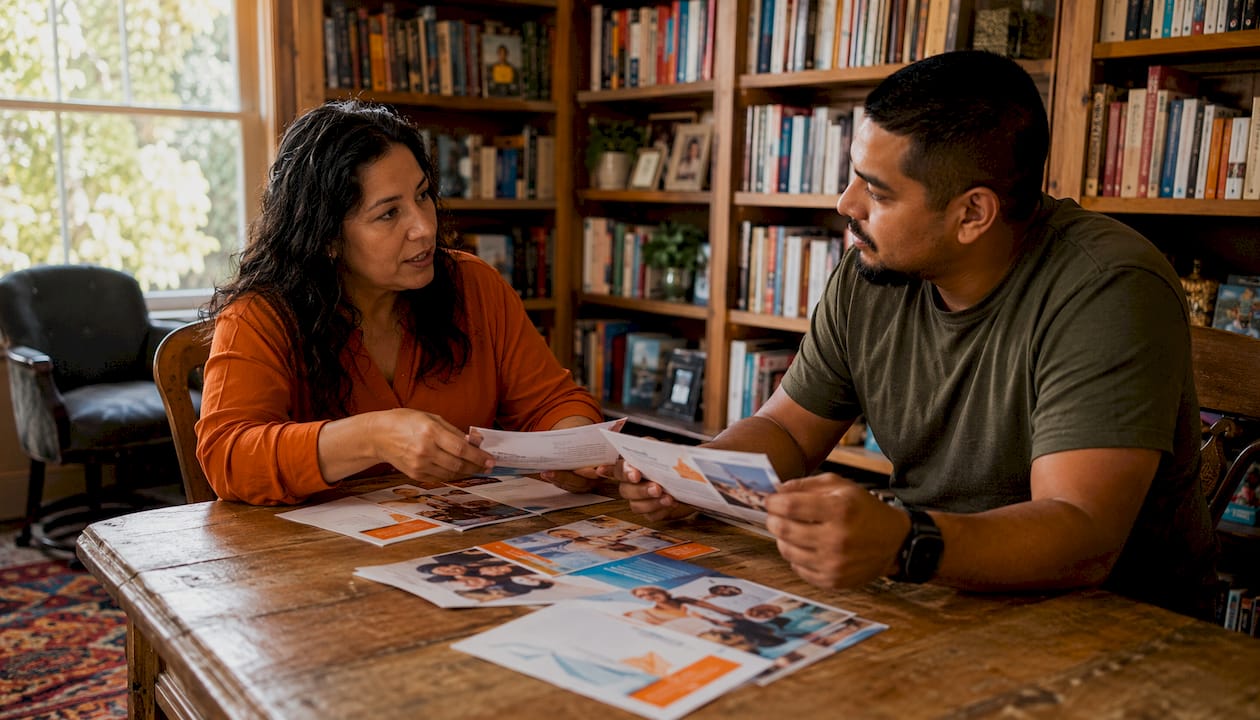
Pro Tip: When contacting any autism service provider, ask directly: “¿Tienen personal que habla español?” (Do you have Spanish-speaking staff?) and “¿Tienen documentos en español?” (Do you have documents in Spanish?). Providers receiving federal funding are legally required to provide meaningful language access under Title VI of the Civil Rights Act.
Why early, multidisciplinary diagnosis matters so much
Early diagnosis is the gateway to specialized services, and the diagnostic process itself often surprises families. There are no blood tests or brain scans that confirm autism. The diagnostic process is behavioral, relying on structured observation and assessment by a team that typically includes a developmental pediatrician, psychologist, speech-language pathologist, and sometimes an occupational therapist or social worker.
For Spanish-speaking families, this process carries an added layer of complexity. Assessments conducted in English may underestimate a child’s abilities. Requesting a bilingual evaluator or a Spanish-language assessment tool is not just reasonable; it’s your right.
Key points about early diagnosis:
Earlier diagnosis means earlier access to early intervention services, which produce the strongest developmental outcomes.
Many adults, particularly women without intellectual disability, reach adulthood undiagnosed, missing years of appropriate support.
CETEA’s expert guidance emphasizes that diagnosis should inform a personalized support plan, not just a label.
If you disagree with an evaluation result, you have the right to request an Independent Educational Evaluation (IEE) at public expense under IDEA.
Neurodivergence-affirming approaches for Spanish-speaking caregivers
The field has shifted. The goal is no longer to make autistic individuals appear neurotypical. Approaches grounded in neurodiversity recognize that autism is a different way of processing the world, not a deficit to be corrected.
Masking or camouflaging autistic traits is a significant source of burnout. When autistic individuals suppress their natural responses to fit in, the cognitive and emotional cost accumulates. Caregivers who understand this can advocate for environments that reduce the need to mask rather than rewarding compliance.
Practical affirming approaches include:
Monotropism-informed support — Recognizing that deep, focused interests are a strength, not a problem to redirect.
Emotional regulation over behavioral compliance — Teaching self-regulation skills rather than demanding surface-level behavior change.
MindfulTEA — A mindfulness-based program offering emotional regulation tools designed for autistic individuals, with resources available in Spanish.
Family-centered support plans — Involving the autistic individual and their family in setting goals, rather than having goals imposed by clinicians.
These approaches reduce caregiver burnout too. When you stop fighting your child’s neurology and start working with it, the daily experience of caregiving changes.
How Autism Victory App supports Spanish-speaking caregivers
Autism Victory App was built for caregivers who need real answers, not generic advice. For Spanish-speaking families in the US, it offers a level of specificity that most resources don’t.
What you get with Autism Victory App:
Spanish-language books and audiobooks covering diagnosis, therapies, school rights, and daily caregiving strategies.
AI-powered guidance that answers your specific questions about your child’s situation, available in Spanish.
State-specific resource navigation — because Medicaid waivers, waiver waitlists, and support programs vary dramatically by state, and you need information that applies where you actually live.
Educational videos and a calming sound library designed for both caregivers and autistic individuals.
A caregiver community where Spanish-speaking parents connect, share strategies, and support each other.
Pro Tip: Use Autism Victory App’s state-specific navigator before calling any government agency. Knowing exactly which program you’re applying for, its eligibility criteria, and the right contact number saves hours of frustration and reduces the risk of being redirected or denied due to a paperwork error.
How to access local and national Spanish-language autism services
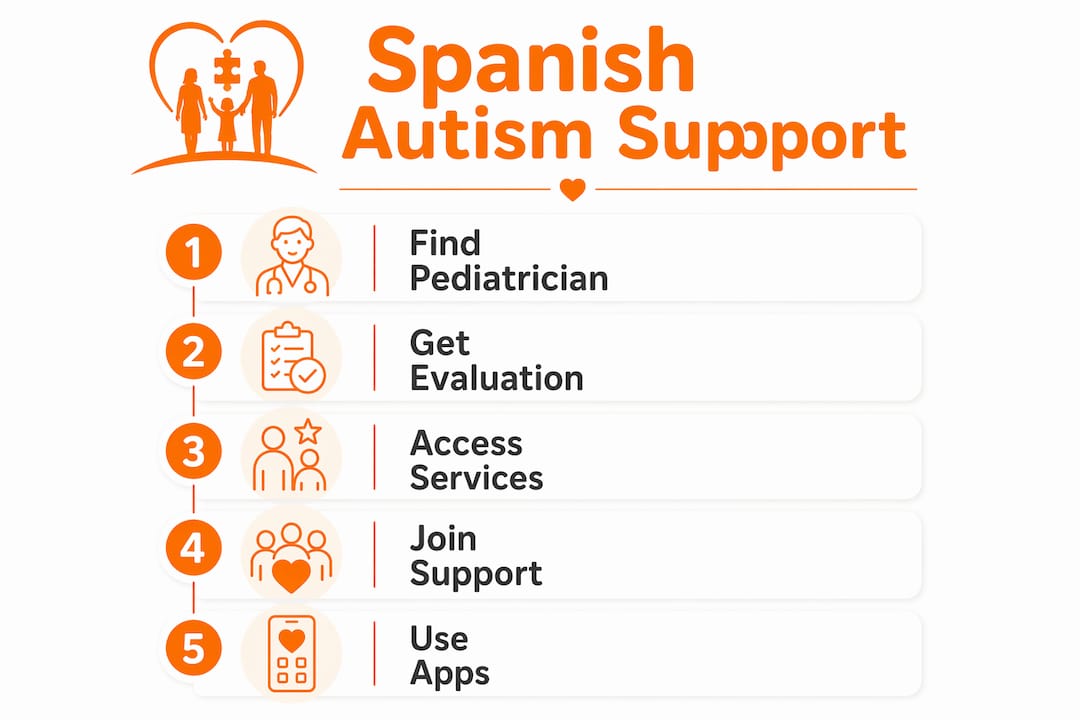
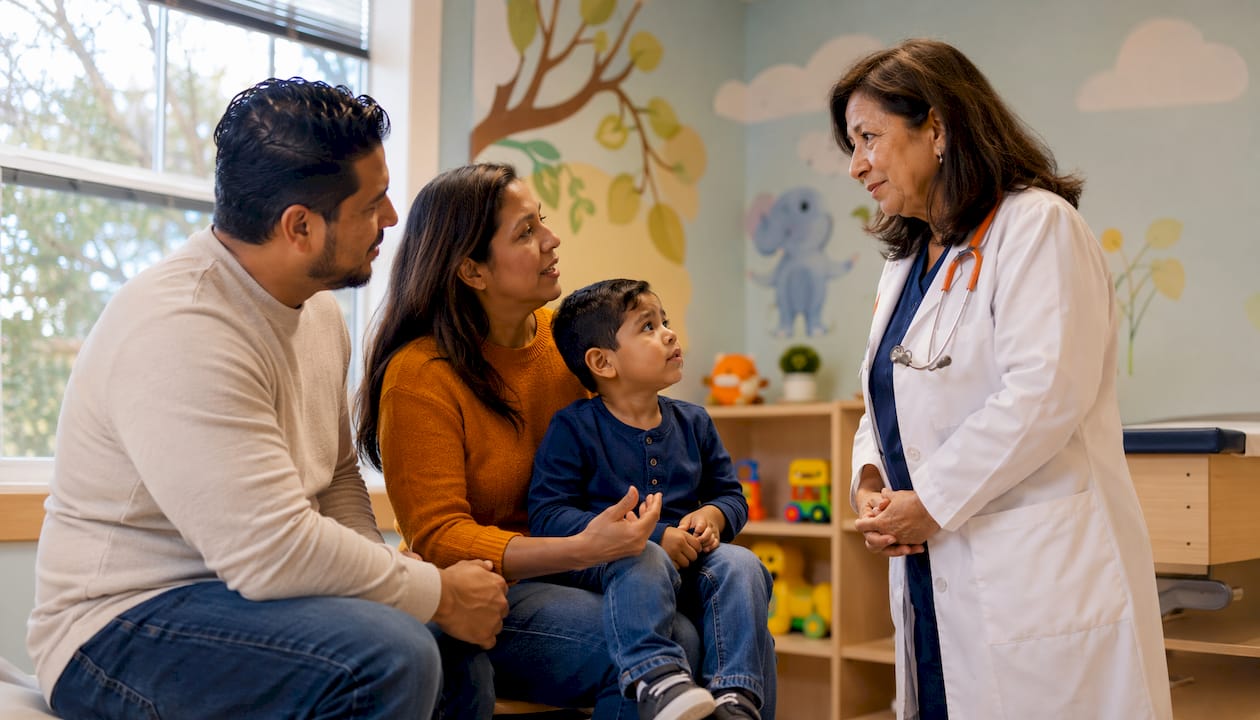
Start with your child’s pediatrician. Request a referral for a developmental evaluation and ask specifically for a bilingual evaluator. If your child is under three, contact your state’s Early Intervention program directly — every state has one, and services are free regardless of immigration status or income.
For school-age children, contact your local school district’s special education office. You have the right to request an IEP evaluation in writing, and the district must respond within a set timeframe. Ask for all communications in Spanish.
Nationally, these contact points are reliable:
Autism Speaks helpline: 1-888-AUTISM2 (bilingual support available)
Autism Society: autismsociety.org, with local chapter contacts by state
ASERT: paautism.org (Pennsylvania-based but resources available nationally)
211 Helpline: Dial 211 for local social services referrals, available in Spanish in most states
Eligibility criteria and enrollment steps for public autism support programs
Public autism support programs in the US generally fall into three categories: early intervention (birth to age 3), school-based services (ages 3–21 under IDEA), and Medicaid-funded community supports (all ages, income-based).
For early intervention, eligibility is based on developmental delay, not a formal autism diagnosis. Contact your state’s Part C coordinator to start the process.
For school-based services, your child must have a disability that affects educational performance. An autism diagnosis typically qualifies, but the school conducts its own evaluation. You can request this evaluation in writing at any time.
For Medicaid waivers, eligibility varies by state but generally requires an autism diagnosis, Medicaid enrollment, and meeting functional need criteria. Waitlists can be long — state-specific Medicaid waiver programs require early planning, often years before your child needs the services. Apply as early as possible, even if you don’t need the services yet.
Legal rights and advocacy resources available in Spanish
Your family has enforceable legal rights at every stage of the autism support process. Knowing them is the first line of defense against being denied services you qualify for.
Key rights to know:
IDEA (Individuals with Disabilities Education Act) guarantees a free, appropriate public education in the least restrictive environment. All IEP documents must be provided in your primary language.
Section 504 of the Rehabilitation Act provides accommodations for students who don’t qualify for an IEP. For a comparison of IEP vs. 504 options, understanding which fits your child matters.
Title VI of the Civil Rights Act requires federally funded programs to provide meaningful language access. This covers most schools, hospitals, and social service agencies.
ADA (Americans with Disabilities Act) protects autistic individuals from discrimination in public accommodations, employment, and government services.
For Spanish-language legal advocacy, the Disability Rights Advocates and state-level Protection and Advocacy organizations offer free legal assistance. Many have Spanish-speaking staff. The new autism advocacy group landscape is also expanding to counter gaps in federal representation for Spanish-speaking families.
Financial aid and insurance options for autism therapies in the US
Autism therapies, particularly Applied Behavior Analysis (ABA), speech therapy, and occupational therapy, are expensive. The good news is that multiple funding streams exist.
Medicaid: All 50 states cover autism-related therapies for children enrolled in Medicaid. Coverage for adults varies by state.
Private insurance: Under federal law, most private insurance plans must cover autism diagnosis and treatment. Contact your insurer’s member services line and ask specifically about autism therapy benefits.
Medicaid waivers: These provide funding for services not covered by standard Medicaid, including respite care, behavioral support, and assistive technology. SSI for a child with autism can also provide monthly income support based on your family’s financial situation.
Nonprofit grants: Organizations like the Autism Society and local foundations offer small grants for families covering therapy costs, assistive devices, and respite care.
CHIP (Children’s Health Insurance Program): Covers autism services for children in families who earn too much for Medicaid but can’t afford private insurance.
When calling insurers or Medicaid offices, ask for a Spanish-speaking representative. Most large insurers have bilingual member services lines.
Collaborating with healthcare providers and educators in Spanish
Clear communication with your child’s school and medical team is one of the most practical things you can do to improve outcomes. A few strategies that work:
Request a bilingual IEP meeting facilitator. School districts are required to provide interpreter services at IEP meetings. Don’t accept a meeting conducted entirely in English if you’re not fully comfortable.
Bring written questions in Spanish. Prepare your questions before appointments and bring them written down. This reduces the chance of miscommunication under time pressure.
Use the school’s parent liaison. Many districts with large Spanish-speaking populations have a parent liaison or family engagement coordinator who can help you understand documents and advocate within the system.
Ask for written summaries after medical appointments. Verbal explanations in a second language are easy to misremember. A written summary in Spanish gives you something to reference and share with other caregivers.
Know your right to an interpreter. Under Title VI, any provider receiving federal funding must provide a qualified interpreter at no cost to you. This includes most hospitals, clinics, and school districts.
Building a consistent relationship with a bilingual care coordinator, if one is available in your area, can make the entire process significantly more manageable.
Autism Victory App brings it all together for your family
Most Spanish-speaking families piece together autism support from a dozen different sources, none of which talk to each other. Autism Victory App is built differently. It puts Spanish-language autism tools in one place: AI-powered answers to your specific questions, state-specific funding and program navigation, caregiver books and audiobooks in Spanish, educational videos, and a community of parents who understand what you’re going through.
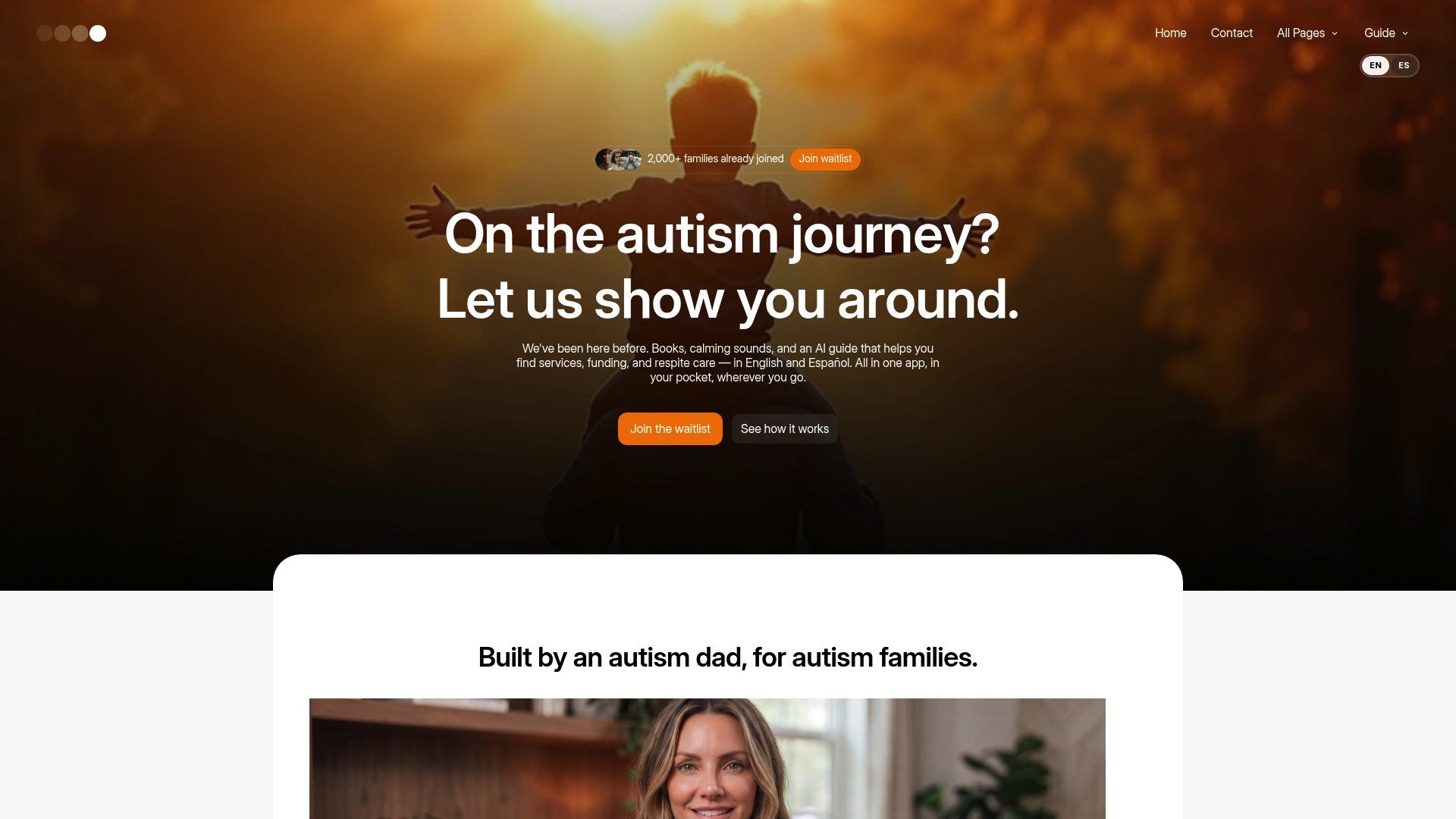
The state-specific resource navigator alone saves families hours of searching. You enter your state, and it surfaces the programs, waitlists, and contacts that actually apply to you. No sifting through national databases that don’t reflect your local reality. For families who are newly navigating a diagnosis or preparing for an adult transition, that specificity matters. Start your 7-day free trial and see what’s available for your family in your state, in your language.
Key Takeaways
Spanish-speaking families in the US have access to a growing network of Spanish-language autism resources, but knowing where to start and how to navigate the system makes all the difference.
Point | Details |
|---|---|
Start with trusted Spanish hubs | Autismo Diario, Autism Speaks en Español, and ASERT offer reliable Spanish-language materials and bilingual helplines. |
Early diagnosis opens doors | The diagnostic process is behavioral, not biological; requesting a bilingual evaluator protects your child’s assessment accuracy. |
Know your legal rights | IDEA, Title VI, and the ADA give Spanish-speaking families enforceable rights to language access and appropriate services. |
Apply for Medicaid waivers early | Waitlists can span years; apply as soon as your child is diagnosed, even if services aren’t needed immediately. |
Autism Victory App | Provides Spanish-language books, AI guidance, and state-specific resource navigation in one mobile platform for US caregivers. |
Recommended