Autism Masking: What It Means and How to Help
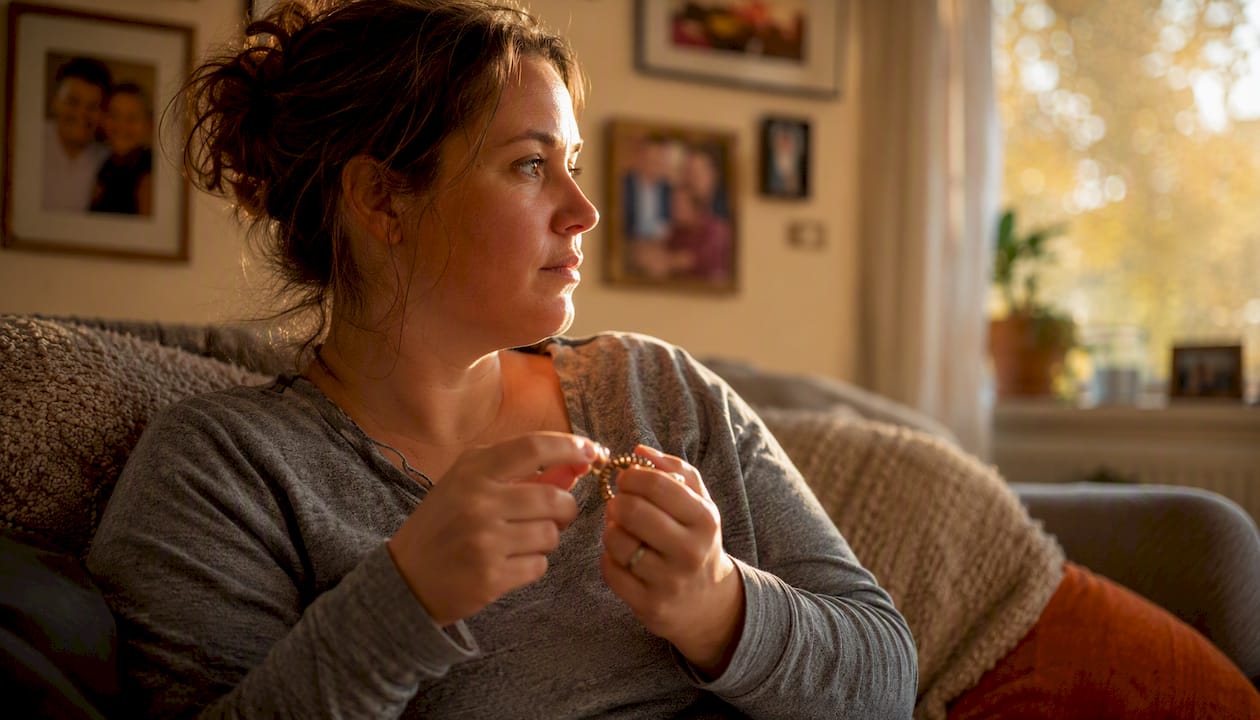
Autism masking is when an autistic person consciously or unconsciously hides or suppresses autistic traits to appear neurotypical. It is also called camouflaging, and it is far more common than most people realize.
Three things you need to know right now:
Why people mask: To avoid bullying, fit in socially, keep a job, or stay safe in environments that are not built for them.
Main harms to watch for: Chronic exhaustion, anxiety, depression, identity loss, and delayed diagnosis are all documented consequences of long-term masking.
One practical next step: If you or someone you support is showing signs of autistic burnout, worsening mental health, or suicidal thoughts, contact a licensed clinician or call the 988 Suicide and Crisis Lifeline immediately.
Key Takeaways
Autism masking is a documented, research-supported phenomenon with serious mental-health consequences, and understanding it is the first step toward building environments where autistic people do not have to perform to belong.
Point | Details |
|---|---|
What masking is | Hiding or suppressing autistic traits to appear neurotypical, consciously or unconsciously. |
Who masks more | Research finds higher rates reported in female samples; masking often delays or complicates diagnosis. |
Core mental-health risks | Higher masking is associated with anxiety, depression, burnout, identity loss, and in some samples, suicidality. |
Most protective action | Connecting with autistic community is associated with lower masking scores and higher self-esteem and authenticity. |
Autism Victory App | Offers personalized guidance, state-specific resources, and a caregiver community to support families navigating masking and autism. |
Table of Contents
What autism masking really means (and how it differs from related terms)
Why autistic people mask: safety, belonging, and survival
Who masks more, and how it affects diagnosis
Concrete signs of masking you can actually recognize
What peer-reviewed research says about masking’s impact on mental health
How researchers and clinicians measure masking
Practical steps for managing masking and protecting your wellbeing
How caregivers, clinicians, teachers, and employers can help
Red flags that masking is causing serious harm
Trusted resources and your next five steps
A note on what this really takes
Autism Victory App supports caregivers through every stage
Sources
What autism masking really means (and how it differs from related terms)
The word “masking” gets used loosely, but researchers have drawn careful lines between it and related behaviors. Understanding those lines matters for clinicians, caregivers, and autistic people alike.
Hull and colleagues conceptualized camouflaging as a multi-component construct with three distinct domains:
Masking: Actively hiding or suppressing autistic traits. Examples include forcing eye contact during a conversation, holding back hand-flapping, or keeping a neutral facial expression when you are actually overwhelmed.
Compensation: Using learned strategies to work around difficulties. A person might memorize conversation scripts, study social rules from books or TV, or rehearse greetings before a meeting.
Assimilation: Blending into social situations by imitating others or avoiding situations where autistic traits would be visible. This might look like copying a coworker’s body language or declining social invitations to avoid exposure.
The National Autistic Society describes masking as a strategy used consciously or unconsciously to appear non-autistic, and notes it can deliver short-term benefits (safety, acceptance) while causing serious long-term harm.
That automation point is worth pausing on. After years of repetition, masking behaviors can become so ingrained that a person struggles to stop them even in private, which contributes to a deep sense of disconnection from self. The systematic review published in Development and Psychopathology synthesized both quantitative and qualitative literature across age groups and confirmed that masking, compensation, and assimilation are meaningfully distinct, even though they often co-occur.
A quick concrete example across settings:
At work, masking might look like a person who maintains steady eye contact in every meeting, laughs at jokes they do not find funny, and never mentions their sensory discomfort with the open-plan office. At school, a student might suppress the urge to rock or flap, force themselves to participate in group projects, and script their responses to the teacher’s questions. At home, the same person may finally collapse on the couch, unable to speak, because the performance is over.
Why autistic people mask: safety, belonging, and survival
Masking is not a quirk or a choice made lightly. For most autistic people, it is a survival strategy built in response to real social pressure.
The core motivations researchers consistently identify include:
Avoiding bullying or social rejection: Many autistic people learn early that visible autistic traits attract negative attention.
Gaining or keeping employment: Workplaces often have unwritten social rules, and failing to follow them can cost someone a job.
Making and keeping friendships: Social connection is a fundamental human need, and masking can feel like the price of admission.
Staying safe: For some people, particularly those from marginalized communities, masking is a direct response to the threat of harm.
Avoiding punishment: Children who stim or melt down in school settings may mask to avoid disciplinary consequences.
The qualitative study of 92 autistic adults that developed a three-stage camouflaging model placed motivations at the first stage, with self-protection and social connection as the two dominant drivers. Masking is not merely a voluntary choice. It is often a response to minority stress and social stigma, shaped by repeated experiences of rejection or correction.
Research linking masking to prior interpersonal trauma reinforces this point. The PMC study on masking, trauma, and mental health found that higher self-reported masking behaviors were associated with higher reports of past interpersonal trauma, greater anxiety and depression symptoms, lower self-esteem, and lower authentic living in autistic adults. That is a meaningful signal: masking and trauma often share the same roots.
Pro Tip: Use this framework when deciding whether to mask in a given situation: Is the risk of not masking immediate and physical (safety concern), or is it social discomfort? If it is the former, masking may be protective in the short term. If it is the latter, the long-term cost to your wellbeing may outweigh the short-term social ease. You do not have to answer that question alone.
Who masks more, and how it affects diagnosis
Masking is widespread across the autistic population, but it is not evenly distributed. The Frontiers systematic review on camouflage and masking in adult autism concluded that camouflage and masking tend to be reported more frequently in female samples and are associated with negative mental-health outcomes, though the review also noted significant variability in measurement approaches and study designs.
That gender pattern has real diagnostic consequences. Women and girls who mask effectively often go undiagnosed for years, sometimes decades, because their autistic traits are hidden beneath learned social behaviors. By the time they receive a diagnosis, many have already accumulated years of burnout, anxiety, and identity confusion.
The Development and Psychopathology systematic review highlighted bidirectional links between camouflaging and diagnosis timing, meaning masking can hide early traits from clinicians, delay formal identification, and then worsen once a person goes undiagnosed and unsupported.
Masking is also more commonly studied in adults without intellectual disability, which means the research base skews toward a particular subset of the autistic population. Prevalence estimates should be read with that sampling bias in mind. Self-report measures like the CAT-Q (covered in Section 7) capture what people are aware of and willing to report, which may undercount masking in people who have fully automated the behavior.
Concrete signs of masking you can actually recognize
Recognizing masking in yourself or someone you support is not always straightforward. The whole point of masking is that it looks like neurotypical behavior. But there are patterns.
Common masking behaviors include:
Forcing or mimicking eye contact, even when it is uncomfortable
Suppressing stims (rocking, hand-flapping, fidgeting) in public
Using scripted or rehearsed phrases in conversation
Hiding special interests to avoid seeming “too much”
Mirroring others’ body language, facial expressions, or tone
Faking emotional reactions (laughing, nodding, looking interested)
Avoiding personal disclosure to prevent judgment
Extreme exhaustion after social interactions that others find energizing
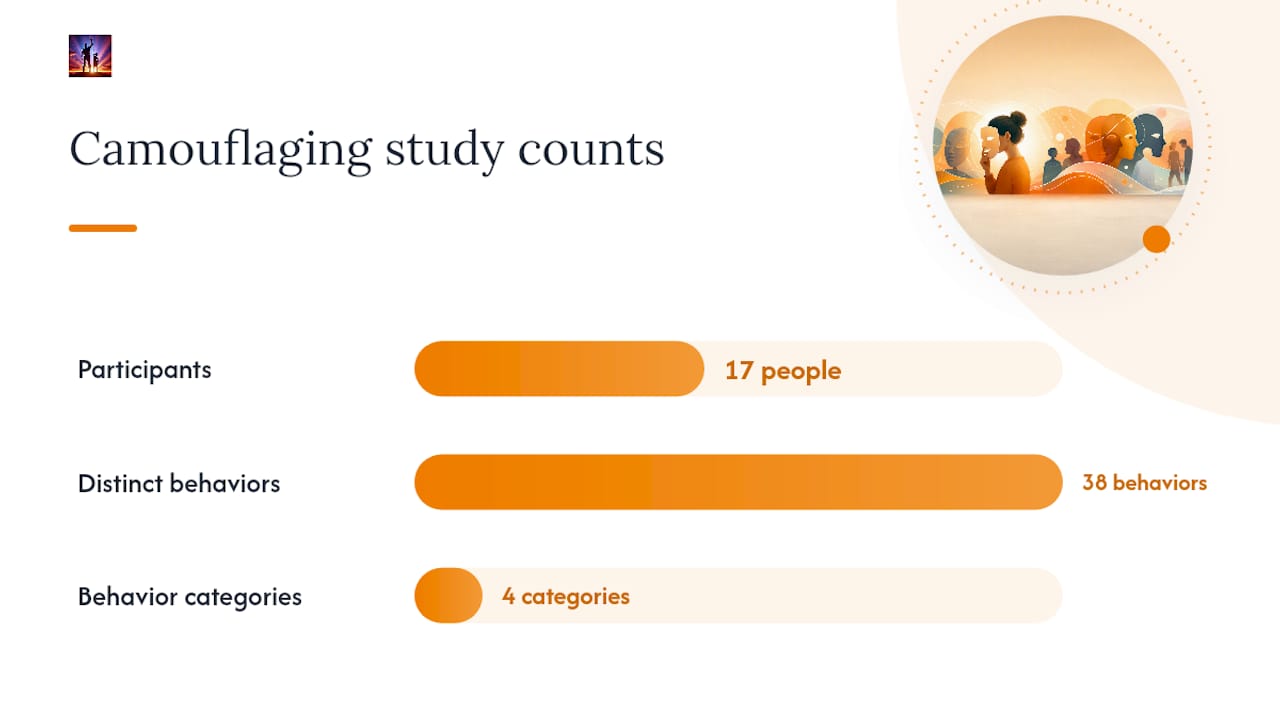
The qualitative study using video recall with 17 autistic adults identified 38 distinct camouflaging behaviors across four categories. Avoiding personal disclosures was one of the most frequently reported behaviors among participants in that sample.
Three short vignettes:
At work: A software developer attends every team meeting, makes eye contact, laughs at the right moments, and never mentions that the open-plan office is sensory agony. She goes home and cannot speak for two hours. Her manager thinks she is thriving.
At school: A 10-year-old boy has memorized exactly how to respond when a teacher calls on him. He never raises his hand voluntarily, never mentions his obsession with train schedules, and sits still by pressing his feet hard into the floor. His teachers describe him as “a little quiet, but fine.”
At home: A teenager who performed perfectly all day finally gets to their room and has a meltdown. The family is confused because “nothing happened.” What happened was eight hours of sustained masking. If you want to understand what that kind of crash looks like versus a behavioral tantrum, the Autism Victory Blog’s guide on meltdowns vs. tantrums breaks it down clearly.
How to ask respectfully: If you suspect someone is masking, avoid framing it as an accusation. Try: “I noticed you seem really tired after social situations. Is there anything that would make those easier for you?” Follow their lead. Do not push for disclosure.
Pro Tip: One of the clearest listening cues for masking is the gap between public performance and private collapse. If someone appears fine in social settings but is consistently exhausted, withdrawn, or emotionally dysregulated afterward, that pattern is worth paying attention to.
What peer-reviewed research says about masking’s impact on mental health
The evidence linking sustained masking to poor mental health is consistent, even if the research has real limitations.
The PMC study on masking, trauma, and mental health found associations between higher masking scores and greater anxiety, depression, lower self-esteem, and lower authentic living. These are correlational findings, not proof of direct causation, but the pattern holds across multiple study designs.
The qualitative study of 92 autistic adults placed exhaustion and threats to self-perception as the most commonly reported consequences of camouflaging. Participants described feeling like they did not know who they were outside of the mask, a form of identity erosion that compounds over time.
Research by Cassidy and colleagues found that higher camouflaging scores were associated with greater suicidality indicators in specific samples, including undergraduate cohorts. That finding is sample-specific and correlational, but it points to a serious downstream risk in higher-camouflage groups that clinicians and caregivers should not dismiss.
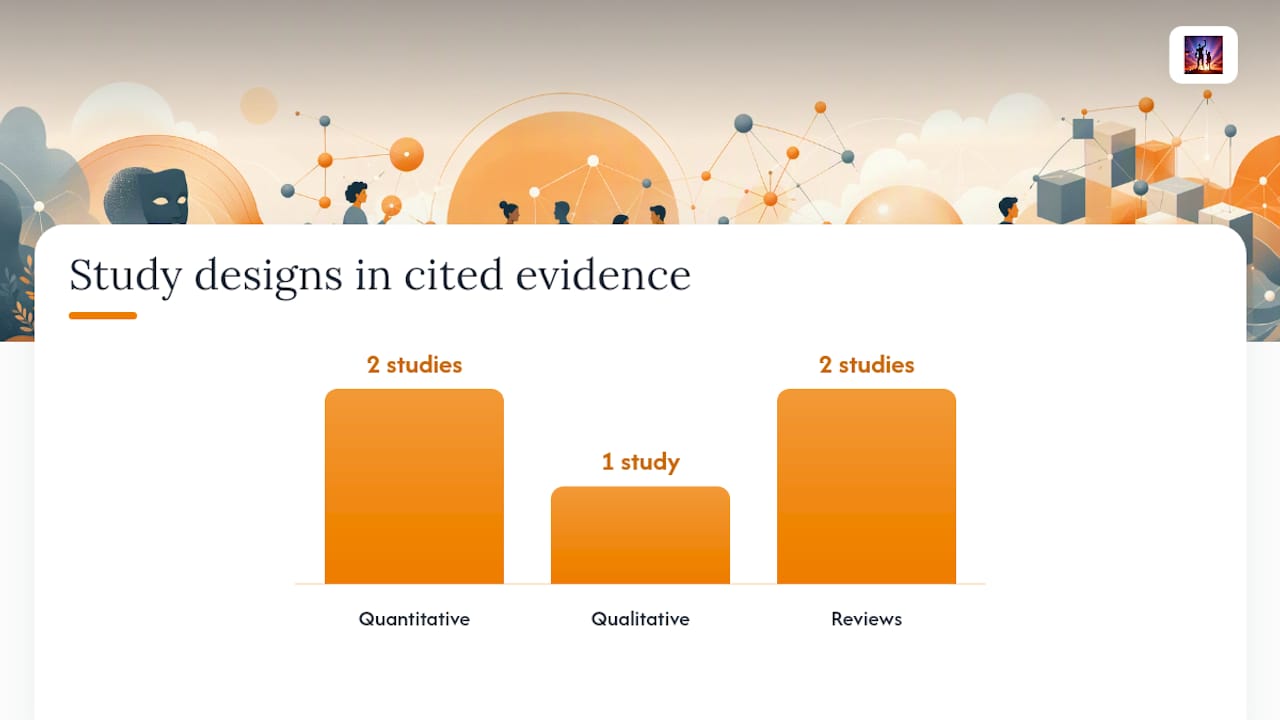
Study | Design | Key Finding |
|---|---|---|
Pearson & Rose (PMC11317797) | Quantitative, autistic adults | Higher masking linked to trauma history, anxiety, depression, lower self-esteem |
Hull et al. (PMC5509825) | Qualitative, 92 autistic adults | Exhaustion and identity strain as primary consequences of camouflaging |
Cassidy et al. (2020) | Quantitative, undergraduate sample | Higher camouflage scores associated with suicidality indicators |
Frontiers review (2023) | Systematic review | Masking more frequent in female samples; linked to poorer mental health outcomes |
Cambridge systematic review | Mixed-methods review | Bidirectional links between camouflaging and mental health and diagnosis timing |
Research limitations to keep in mind: Most studies rely on self-report measures, which means people who have fully automated masking may not accurately report it. Samples tend to skew toward white, educated, English-speaking adults without intellectual disability. Cross-sectional designs cannot tell us whether masking causes poor mental health or whether people with poorer mental health mask more. Both directions are plausible, and the Cambridge systematic review explicitly flags this bidirectionality.
How researchers and clinicians measure masking
Measuring something as complex as masking requires validated tools. Two are most commonly used in research and clinical practice.
The Camouflaging Autistic Traits Questionnaire (CAT-Q)
The CAT-Q is a 25-item self-report measure built around the three-domain framework developed by Hull and colleagues: masking, compensation, and assimilation. Each subscale captures a different facet of camouflaging behavior. It was designed primarily for autistic adults and is the most widely used quantitative measure in the research literature. A higher total score indicates more camouflaging across all three domains.
The Compensation Checklist
The Compensation Checklist focuses specifically on compensatory strategies, the learned workarounds autistic people use to navigate social situations. It captures behaviors like using explicit rules to guide social interaction, rehearsing conversations in advance, and relying on memory rather than intuition for social cues. It is particularly useful for understanding how much cognitive effort a person is expending to appear neurotypical.
Tool | Items | Primary Population | Primary Use |
|---|---|---|---|
CAT-Q | 25 | Autistic adults | Research and clinical screening for camouflaging across three domains |
Compensation Checklist | Variable | Autistic adults | Measuring compensatory strategies specifically |
Clinician-friendly screening questions:
“Do you find social interactions exhausting, even when they go well?”
“Do you rehearse conversations before they happen?”
“Do you feel like you are performing a role in social situations?”
“Do you suppress physical urges (like moving or making sounds) in public?”
“Do you feel more like yourself when you are alone than when you are with others?”
Pro Tip: If you are preparing for an autism diagnostic assessment and you suspect masking has hidden your traits, document specific examples before your appointment. Write down situations where you felt you were performing, what you suppressed, and how you felt afterward. Clinicians cannot observe what you have spent years hiding, so your own account is critical evidence.
Practical steps for managing masking and protecting your wellbeing
Managing masking is not about stopping it overnight. It is about making deliberate, informed choices about when and how much to mask, and building in recovery time when you do.
Assess your daily energy cost. Before any social situation, ask yourself: How much will this cost me? Rate it on a simple 1–5 scale. This is sometimes called a “spoons” framework, borrowed from chronic illness communities, and it works for masking too.
Decide when masking is necessary. Not every situation requires full masking. A job interview is different from a family dinner. Give yourself permission to mask selectively rather than constantly.
Schedule recovery blocks. After high-masking situations, plan unstructured, low-demand time. This is not laziness. It is maintenance. A 30-minute decompression block after a long workday can prevent the kind of cumulative burnout that takes weeks to recover from.
Practice selective unmasking in safe spaces. Start small. One trusted person, one setting where you allow yourself to stim or go quiet or talk about your interests without editing. Unmasking may temporarily increase the visibility of autistic traits, and that is expected. Give yourself time.
Seek therapy that focuses on safety, not performance. Approaches that pressure autistic people to appear more neurotypical can deepen masking and its harms. Look for therapists who are explicitly affirming of autistic identity and who understand the difference between supporting communication and enforcing conformity. Natural environment teaching approaches, for example, emphasize real-world supports rather than scripted compliance, as outlined in the Autism Victory guide on natural environment teaching.
Connect with autistic community. The PMC study on masking and mental health found that time spent with other autistic people was associated with lower masking scores, higher self-esteem, and greater authenticity. Community is not just emotionally supportive. It is measurably protective. Autism Victory App’s peer community feature gives caregivers and autistic adults a space to connect with people who understand the experience firsthand.
Document your patterns. Keep a simple log of high-masking days, energy levels, and recovery time. Over weeks, patterns emerge that can inform both self-management and clinical conversations.
Pro Tip: Gradual unmasking works better than abrupt stopping. Practitioners who work with autistic adults recommend starting with one low-stakes behavior, like allowing yourself to fidget during a phone call, and building from there. Safety planning matters: identify who in your life can handle seeing the unmasked version of you before you start.
How caregivers, clinicians, teachers, and employers can help
Supporting someone who masks starts with one commitment: stop requiring them to perform neurotypicality to earn your respect or comfort.
Do:
Ask about sensory needs directly and without judgment (“Is there anything about this space that makes it harder for you?”)
Offer communication alternatives (written, asynchronous, or one-on-one instead of group)
Accept stimming as a self-regulation tool, not a behavior to correct
Follow the person’s lead on disclosure and never share their diagnosis without explicit consent
Recognize that a calm exterior does not mean a calm interior
Don’t:
Demand eye contact or interpret its absence as rudeness or disinterest
Use “fixing” language (“You just need to try harder to connect with people”)
Assume that because someone appears fine, they are fine
Pressure someone to disclose their diagnosis to others
Treat unmasking as a regression or a problem
Workplace and school accommodations that reduce masking pressure:
Provide a quiet space for breaks and decompression.
Allow flexible communication (email or written instructions instead of verbal-only).
Give advance notice of schedule changes and social expectations.
Offer sensory accommodations (lighting adjustments, noise-canceling options, flexible seating). For more on sensory differences like tactile sensitivity, the Autism Victory guide on tactile defensiveness offers practical strategies that translate directly to classroom and workplace settings.
Reduce unnecessary social performance requirements (mandatory team-building events, forced small talk).
Opening a nonjudgmental conversation: Try “I want to make sure this environment works for you. Is there anything I can do differently?” rather than “I noticed you seem different lately.” The first invites collaboration. The second can feel like surveillance.
On privacy and disclosure: Never ask someone to prove their diagnosis. Never share it with colleagues, classmates, or family members without their explicit permission. Disclosure is the autistic person’s decision, always. Your job is to create conditions where they feel safe enough to make that choice freely.
Red flags that masking is causing serious harm
Masking is not always harmful in the short term, but when it becomes the only mode of operating, the costs accumulate. Here are the signs that something needs to change.
Red-flag checklist:
Increasing social withdrawal or isolation, even from previously safe relationships
Severe exhaustion that does not resolve with normal rest
Autistic burnout: a prolonged state of physical and mental exhaustion where previously manageable tasks become impossible
Worsening anxiety or depression that is not responding to current supports
Suicidal thoughts or self-harm (call 988 immediately)
Inability to work, study, or manage daily tasks
Feeling like you do not know who you are outside of social performance
Research by Cassidy and colleagues found that higher camouflaging scores were associated with suicidality indicators in specific samples, which underscores why these red flags deserve a clinical response, not a wait-and-see approach.
Practical steps for getting help in the U.S.:
Search for autism-affirming psychologists or psychiatrists through the Autism Society of America or the Association for Autism and Neurodevelopmental Disorders (AANE).
Ask specifically whether a clinician has experience with late-diagnosed autistic adults and with masking, not just with childhood autism presentations.
Telehealth platforms have expanded access significantly; many autism-aware clinicians now offer remote assessments.
For crisis situations: call or text 988 (Suicide and Crisis Lifeline) or go to your nearest emergency room.
One note on preparing for assessment: bring documentation. Write down specific masking behaviors, when they started, what situations trigger them, and how you feel afterward. Clinicians cannot observe what you have spent years concealing, and your written account is often the most useful clinical data available.
Trusted resources and your next five steps
You have read the research. Here is what to do with it.
Five next steps, in order:
Self-reflect with a structured prompt. Write down three situations in the past week where you felt you were performing rather than being yourself. What did you suppress? What did it cost you?
Find your community. Connect with other autistic people, online or in person. The protective effect of autistic community on masking and self-esteem is documented in the research. The Autism Victory App community is one option; the Autistic Self Advocacy Network (ASAN) and AANE are others.
Search for an autism-aware clinician. Use the Autism Society of America’s provider directory or ask your primary care physician for a referral to someone with specific experience in adult autism and late diagnosis.
Build an energy plan. Start tracking your masking load and recovery time this week. Even a simple notes app entry after each social situation builds the self-knowledge you need to make better decisions.
Prepare documentation for any future assessment. Start a running document of masking examples, energy patterns, and when you first noticed these patterns. This is your clinical evidence.
Trusted U.S.-focused resources:
Autism Society of America: National organization with a provider directory and local chapters.
Autistic Self Advocacy Network (ASAN): Autistic-led organization with policy, community, and educational resources.
AANE (Autism, Asperger/Autism Network): Specializes in adults, including late-diagnosed individuals.
988 Suicide and Crisis Lifeline: Call or text 988 for immediate crisis support.
CDC Autism Resources: U.S. government information on autism, screening, and services.
Autism Victory App: State-specific resources, caregiver community, and personalized guidance for families navigating autism.
For caregivers who want to go deeper into the research and lived-experience literature, the Autism Victory guide to autism books for parents is a curated starting point.
One finding worth holding onto: the PMC study on masking and mental health found that community participation with other autistic people was associated with lower masking scores and higher authenticity. Connection is not just comfort. It is a measurable protective factor.
A note on what this really takes
Masking is one of the most misunderstood aspects of autism, and that misunderstanding has real costs. Autistic people spend enormous energy appearing fine, and the people who love them often have no idea. That is not a failure on anyone’s part. It is what happens when the world is not built for neurodiversity and people adapt to survive.
If you are a caregiver reading this, the most useful thing you can do is not fix the masking. It is to make your home, your relationship, and your conversations safe enough that the person you love does not need to mask around you. That shift, from demanding performance to offering safety, is where real support begins. Autism Victory App exists to help you make that shift with real information, practical tools, and a community that understands what you are navigating.
Autism Victory App supports caregivers through every stage
Caregivers navigating autism masking often face a specific challenge: they need research-backed information, practical strategies, and community support, all at once, and most platforms offer only one of those things.
Autism Victory App brings all three together. The app’s personalized AI guidance helps caregivers understand behaviors like masking in the context of their specific situation, not just generic advice. The state-specific resource navigator cuts through the complexity of finding local services, funding, and support programs. The caregiver community connects you with other families who are working through the same questions. And the calming sound library and caregiver-focused books (available in English and Spanish) give you practical tools for the hard days.
Autism Victory App is an adjunct to clinical care, not a replacement for it. But for the hours between appointments, when you need a clear answer or a community that gets it, it fills a real gap. A 7-day free trial is available, with monthly and annual subscription options. Start your trial at Autismvictory.
Sources
Use these sources to go deeper. When evaluating new research headlines about masking, look for three things: the sample size and who was included, whether the design was cross-sectional or longitudinal, and whether the claims are correlational or causal. Most masking research is correlational, which means associations are real but causation is not proven.
This article is general information, not a substitute for advice from a qualified doctor. Consult a qualified healthcare professional about your own circumstances before acting on anything here.
Recommended