

If you need a break and your child has autism, the fastest funded path in North Carolina runs through the NC Innovations Waiver or 1915(i) services, both managed by your regional LME/MCO. While you wait on that process, Lifespan Respite, the Autism Society of North Carolina, and NC 211 can get you short-term help sooner. Your single best move today: call your LME/MCO and ask what respite options you qualify for right now.
TL;DR:
Most families should start by calling their local LME/MCO to inquire about existing respite options and request a detailed eligibility assessment.
In-home respite is the easiest to access quickly and offers routine stability for children with autism while applications process.
Waiting times for NC Innovations Waiver slots vary by county, and the 1915(i) program can provide faster access for some families.
Providers with autism-specific training, clear care plans, and references are essential, and a trial visit can help ensure suitability before full commitment.
Using the Autism Victory App can streamline documentation, application tracking, and provider research, reducing the administrative burden on caregivers.
Table of Contents
Quick Checklist: What To Do This Week To Start Getting Respite
How Funded Respite Works in NC: NC Innovations Waiver, 1915(i), and the LME/MCO Role
Types of Respite and What Each Looks Like for Autistic People
Where To Find Providers, Referrals, and Authoritative Contacts
How To Vet Respite Providers: Interview Checklist and Red Flags
A Caregiver's Short Note: Managing the Admin and Protecting Your Time
Quick Checklist: What To Do This Week To Start Getting Respite
You don't need a perfect plan to start. You need three phone calls and a folder.
Call your regional LME/MCO and ask directly about NC Innovations Waiver and 1915(i) respite services.
Pull together your child's autism diagnosis paperwork, Medicaid ID, school IEP or IFSP documents, and recent medical records.
Ask the same LME/MCO representative about short-term bridges while you wait: Lifespan Respite vouchers, 211 referrals, and local nonprofit respite programs.
Write down the date, the name of who you spoke with, and what they told you. You'll need this log later.
That last step feels small. It isn't. Caseworkers change, calls get dropped, and a dated record is often the only thing that moves a stalled application forward.
How Funded Respite Works in NC: NC Innovations Waiver, 1915(i), and the LME/MCO Role
The NC Innovations Waiver is North Carolina's primary Medicaid waiver for people with intellectual and developmental disabilities, including autism. It commonly funds in-home respite, community-based respite, and related supports, though exact covered services depend on your approved plan. The 1915(i) option offers a separate route into home and community-based services for people who meet a different eligibility standard, and it can move faster for some families since it doesn't require the same waiver slot.
Both pathways run through your county's Local Management Entity/Managed Care Organization. Your LME/MCO handles screening, determines eligibility, builds your service plan, and maintains the network of approved providers in your area. Coverage details, wait times, and provider options genuinely vary by county, so what a family in Wake County experiences may look nothing like what a family in a rural western county experiences.
Here's the part nobody enjoys: waiver slots are limited, and unmet requests land on the Registry of Unmet Needs, essentially a statewide waitlist. That's exactly why 1915(i), private-pay respite, and Lifespan Respite exist as parallel doors instead of a single line to stand in.
Types of Respite and What Each Looks Like for Autistic People
Respite isn't one-size-fits-all, and the right type depends on your child's age, behavior needs, and how much routine disruption they can tolerate.
In-home respite: A trained aide comes to your house, keeps your child's routine intact, and is often the easiest entry point for younger children or those who struggle with new environments.
Community or day programs: Structured group settings for a few hours at a time, useful for building peer interaction skills alongside the break for you.
Overnight or short-stay respite: The child stays with a provider or in a residential setting for a night or more, typically reserved for higher support needs or planned family events.
Family-to-family or peer respite: Another trained caregiving family provides relief, sometimes arranged informally through parent networks.
In-home and community respite are the types most often covered under NC Innovations Waiver and 1915(i) plans. Overnight stays sometimes require separate authorization, and family-to-family arrangements are frequently private-pay.
Pro Tip: Start with in-home respite even if your child eventually needs more. It's the easiest type to get approved quickly, and it buys you time while a bigger application works through the system.
Where To Find Providers, Referrals, and Authoritative Contacts
The state's LME/MCO directory is your starting map. Look up your county, get the phone number, and ask specifically for the intake or care coordination team, not the general line. When you call, ask what respite services are currently available, what the waitlist situation looks like, and whether 1915(i) is an option if the waiver list is closed.
Beyond the state directory, three nonprofit routes consistently help NC families:
The Autism Society of North Carolina runs its own respite and life-skills programs and is an in-network Medicaid provider across the state.
Monarch delivers NC Innovations respite services in many counties, though availability is county-specific, so confirm your county is on their service list before assuming coverage.
The ARCH National Respite Network maintains a locator tool covering both public and nonprofit respite options nationwide, including North Carolina listings.
Your school's exceptional children (EC) team, local developmental disability councils, and parent support networks often know about openings before they hit an official list, and this guidance on finding the right therapy in North Carolina can help you navigate clinical and counseling supports effectively. Dial NC 211 when you need a same-week answer and aren't sure where else to turn.
How To Apply and What To Expect: Step-By-Step Timeline
Contact your LME/MCO and request a screening for NC Innovations Waiver or 1915(i) eligibility.
Complete the eligibility screening, which typically includes a review of diagnosis, functional needs, and current supports.
Submit documentation: diagnostic reports, Medicaid enrollment, and any existing service plans.
Wait for an eligibility determination, then, if approved for a waiver slot, work with your care coordinator to build a service plan that includes respite hours.
Schedule services once your plan is finalized and a provider match is made.
Timelines vary widely, and incomplete paperwork is the single most common delay caregivers report. The application process for NC Innovations often involves multiple rounds of follow-up, so keep that dated contact log running from day one. If weeks pass with no response, escalate: ask for your case manager's supervisor, contact the MCO's ombudsman line, and explicitly ask whether any interim or emergency respite funding exists while your full application processes.
How To Vet Respite Providers: Interview Checklist and Red Flags
A respite provider is someone you're trusting with your child's safety, so treat the first call like an interview, not a formality.
Ask about specific training in autism support, not just "special needs experience" in general terms.
Ask how they handle behavioral escalations and whether they've worked with nonverbal or minimally verbal individuals if that applies to your child.
Ask about staff-to-child ratios, medication administration policies, and required certifications.
Ask for two references you can actually call.
Walk away from any provider who can't describe a written care plan process, gets vague about training when pressed, or has no references to offer. The National Institute on Aging's respite guidance recommends verifying credentials and doing a short trial visit before committing to longer sessions, advice that holds just as true for autism-specific care.
Pro Tip: Ask every provider to walk you through what they'd do if your child had a meltdown mid-session. Their answer tells you more than any certificate on the wall.
How Autism Victory App Can Support the Process
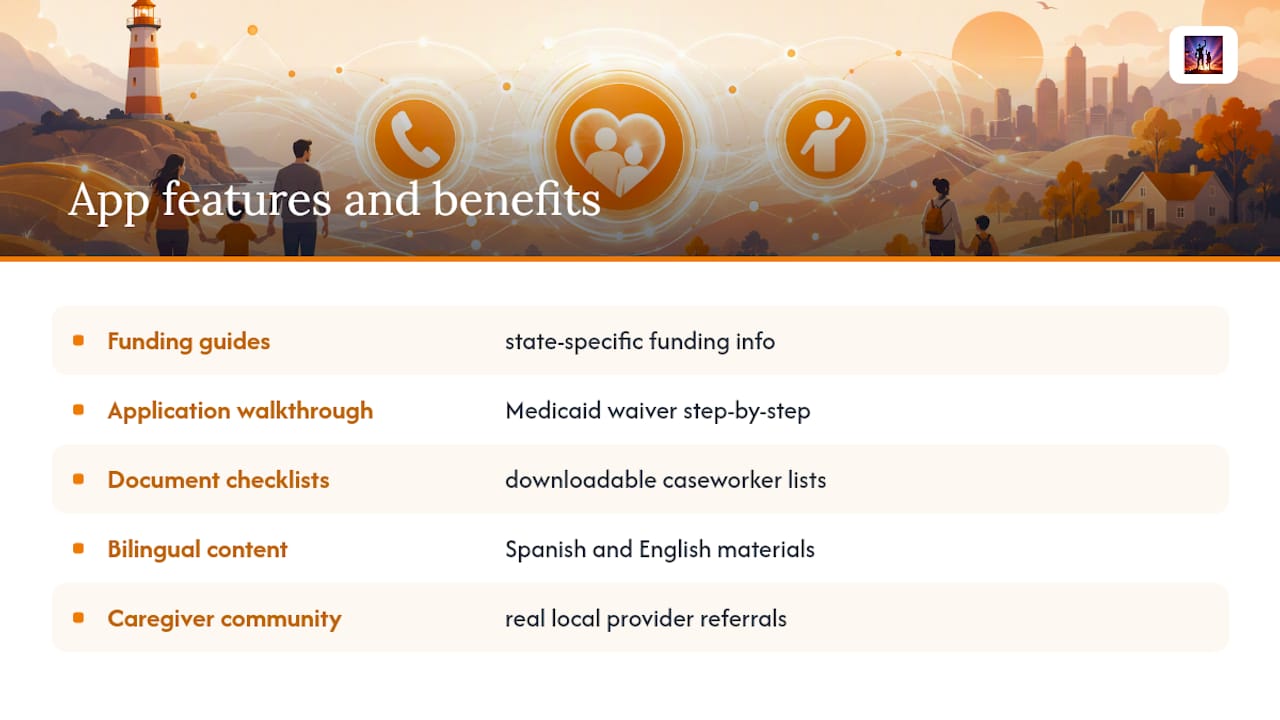
Formal applications move slowly, and Autism Victory App won't replace your LME/MCO or waiver paperwork. What it does is shorten the research time around it. Inside the app, you'll find state-specific funding guides, a walkthrough of Medicaid waiver applications, downloadable checklists for the documents caseworkers ask for, and bilingual content for Spanish-speaking families navigating the same system.
For a parent juggling school forms, a full-time job, and a stalled phone call to an LME/MCO, that structure matters. The app's caregiver community also surfaces real referrals from families who have found working providers in their county.
A Caregiver's Short Note: Managing the Admin and Protecting Your Time
Nobody warns you how much of this job is paperwork. That part is normal, not a sign you're doing something wrong.
What actually helped: one folder, physical or digital, for every diagnosis paper, ID card, and dated call log. A single weekly reminder to check on pending applications kept things moving without consuming every waking thought.
— Ronnie Talent
Autism Victory App: Your Adjunct to the Waiver Process
Waiver applications, LME/MCO paperwork, and provider vetting take real hours, and Autism Victory App exists to cut that time down without asking you to skip a single official step. Instead of hunting across several websites, you get a state-specific funding guide, a checklist of commonly requested documents, and a bilingual library for families to use.
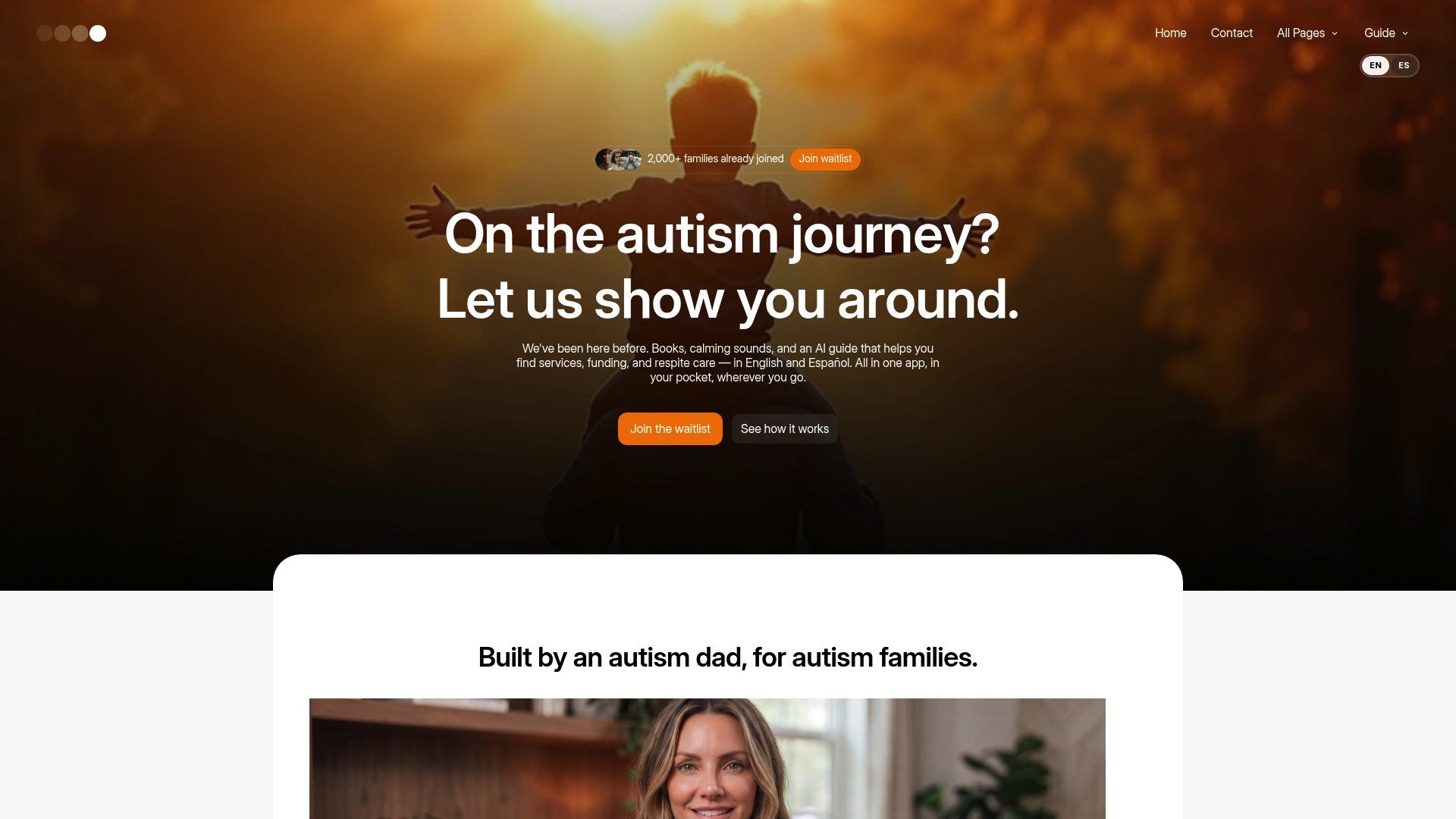
Use it this week to compile your documentation before your first call, look up how to find your regional LME/MCO contact, and track your application timeline in one place instead of scattered texts and sticky notes. If you'd rather read the fuller how-to first, the full respite care funding guide covers backup options if your waiver application stalls. When you're ready to put all of it in your pocket, start your free trial on the Autism Victory App and get your North Carolina resource guide loaded before your next LME/MCO call.
Sources
Lifespan Respite Care Program (Administration for Community Living)
Life Skills Program for Autism | Autism Society of North Carolina
Recommended