
Three Ohio waivers serve people with autism: Individual Options (IO), Level One, and SELF. Eligibility runs through a developmental disability level of care, not your child's diagnosis alone, so a formal autism diagnosis by itself won't unlock funding. The single most useful thing you can do today is request a waiver on your Medicaid application or submit form ODM 02399 to your County Board of Developmental Disabilities.
TL;DR:
Ohio families can request a waiver by submitting a form to their County Board of Developmental Disabilities or through their Medicaid application, regardless of diagnosis.
The three waivers—Individual Options, Level One, and SELF—serve different needs, with eligibility based on Medicaid enrollment, developmental disability level of care, and ongoing service needs.
Funding covers services like respite, therapy, nursing, assistive technology, transportation, and employment support, with participant-directed options available in two waivers.
Documenting specific daily routines, realistic caregiver capacity, and incidents with dates significantly impacts waitlist priority during assessments.
Parents and relatives can become paid caregivers under waiver rules by completing provider enrollment steps, passing background checks, and managing administrative responsibilities.
Table of Contents
Do You Meet the Ohio Developmental Disability Waiver Eligibility Rules?
What Services Does the Autism Medicaid Waiver Actually Cover?
How Do You Improve Your Priority on the Waiting List Assessment?
How Do You Actually Apply for an Ohio Autism Medicaid Waiver?
Can You Get Paid as Your Child's Caregiver Under the Waiver?
Which Ohio Autism Medicaid Waiver Fits Your Child?
Ohio's three developmental-disability waivers cover very different levels of need, and picking the right frame matters more than most families realize going in.
Individual Options (IO): The broadest waiver, built for kids and adults with complex, multi-service needs. It carries the highest funding range because it assumes a mix of respite, nursing, behavioral support, and more.
Level One: A smaller waiver for families who lean heavily on natural supports (grandparents, school programs, community groups) and need only modest paid help filling gaps.
SELF (Self-Empowered Life Funding): Built around participant direction. Families act as employer of record for their own staff, with more control but more administrative responsibility.
A child with significant behavioral and medical needs usually fits IO. A teenager who mostly needs a few respite hours a month while parents work often fits Level One. A family that wants to hire and manage its own aides, on its own schedule, gravitates toward SELF. Funding under IO is assigned in ranges tied to assessed need, not a flat amount everyone receives equally.
Do You Meet the Ohio Developmental Disability Waiver Eligibility Rules?
Eligibility for any Ohio developmental disability waiver rests on three separate gates, and missing any one of them stalls your application even if the other two are solid.
Medicaid enrollment: You must already qualify for Ohio Medicaid, which checks residency, Social Security number or citizenship status, and financial rules specific to the Medicaid category you're applying under.
Developmental disability level of care (DD LOC): Ohio uses assessment instruments referenced in Ohio Administrative Code rule 5160-40-01 to determine whether your child's functional limitations meet the DD LOC threshold. This is separate from an autism diagnosis and looks at daily functioning, not a diagnostic label.
Need for service: You have to show a realistic need for at least one waiver service every month, and your team documents that inside a person-centered plan built around your child's actual routine.
Ohio operates three HCBS developmental disability waivers, and every one of them requires both Medicaid eligibility and a confirmed DD level of care before a single dollar of funding gets approved.
What Services Does the Autism Medicaid Waiver Actually Cover?
Waiver funding isn't a check that lands in your mailbox. It pays for a specific menu of services, and knowing that menu ahead of your planning meeting helps you ask for what your child actually needs instead of guessing.
Respite care: Paid breaks for the primary caregiver, scheduled or emergency.
Clinical therapeutic intervention: Includes applied behavior analysis (ABA) when a physician or managed care plan documents it as medically necessary for a child under 21.
Nursing services: For kids with co-occurring medical needs alongside autism.
Assistive technology: Communication devices, safety equipment, and adaptive tools.
Transportation: Getting to therapy, school-related appointments, or community activities.
Employment supports: Job coaching and workplace assistance for older teens and adults.
Ohio's managed care plans are required to cover medically necessary ASD services for anyone under 21, including ABA and other clinical therapeutic intervention under EPSDT rules. SELF and IO both allow participant-direction, meaning you can act as employer for some of these services rather than going through an agency.
How Do You Improve Your Priority on the Waiting List Assessment?
The Waiting List Assessment, or WLA, is the tool your County Board uses to decide who gets a waiver slot when one opens. It's not a formality. Vague answers hurt you, and specific, dated answers help you.
The WLA sorts your situation into three categories: Immediate Need, Current Need, and Alternative Resources. Immediate Need signals crisis-level risk. Current Need signals ongoing but stable need. Alternative Resources means the county believes you have other supports covering the gap. Where you land depends almost entirely on how well you document daily reality.
Log daily routines for two to four weeks before your assessment, noting who supervises your child at each hour of the day.
Document caregiver capacity honestly, including work schedules, health limits, and other kids in the home.
Record specific behavior incidents with dates, what triggered them, and what happened afterward, rather than summarizing them as "hard days."
List medical supports already in use, like nursing visits or therapy sessions, and how often they occur.
Note what you've already tried, including school-based services or private-pay help that fell short.
Gather your child's IFSP or IEP excerpts, any behavior plan, therapy progress notes, medical records, and incident logs before you meet with your Service and Support Administrator (SSA). Specific, dated detail (who helped, how often, what happens if that support stopped) carries far more weight than general statements like "needs a lot of help."
Pro Tip: Keep a running, dated log on your phone or a notebook year round, not just before an assessment. County boards treat the WLA as a current snapshot, so families who update it as circumstances change often move up the list faster than families who file once and wait.

How Do You Actually Apply for an Ohio Autism Medicaid Waiver?
You have three legitimate ways to start a waiver request, and none of them require a lawyer or a caseworker to initiate.
Indicate it on your Medicaid application, whether you're applying for the first time or already enrolled.
Submit form ODM 02399 directly, either mailed or delivered to your local county board.
Contact your County Board of Developmental Disabilities (CBDD) directly by phone or in writing to make a verbal or written request.
Once your county board receives the request, staff schedule your DD LOC assessment, assign a case manager or case management agency, and begin building your Individual Service Plan (ISP). If you get stuck finding your local CBDD or need general navigation help, Ohio Benefits Long-Term Services and Support (OBLTSS) connects families to navigators. Track the date you submitted, any case number assigned, and the name of whoever you spoke with. That paper trail matters if your request stalls.
Can You Get Paid as Your Child's Caregiver Under the Waiver?
Ohio waiver amendments now allow a parent, spouse, or another relative with legal decision-making authority to serve as a paid direct service worker for certain waiver services, provided they meet standard provider requirements. This isn't automatic. You have to enroll as a provider through the same channels any paid caregiver would.
Register through the Provider Network Management (PNM) system and complete Provider Screening and Monitoring (PSM) steps.
Collect verification letters on employer letterhead documenting relevant caregiving experience, since resumes alone often aren't accepted.
Pass a Bureau of Criminal Identification and Investigation (BCI) background check.
Sign up for Electronic Visit Verification (EVV) where the service requires it.
Pro Tip: Start the PNM enrollment paperwork before your waiver is even approved. Background checks and PSM approval can take weeks, and you don't want that clock running after you already have a service start date.
What Should You Do While You Wait for Approval?
Waiver enrollment can take time, and the wait shouldn't mean your family goes without support in the meantime.
Confirm your Medicaid enrollment is active and correct today.
Submit ODM 02399 or call your CBDD this week if you haven't already.
Start your incident and behavior log now, even before your WLA appointment is scheduled.
Ask your managed care plan what State Plan Medicaid benefits (like ABA or nursing) you can access right now, separate from the waiver.
Look into community respite programs and local nonprofits that fill short-term gaps.
Update your WLA anytime your situation changes meaningfully. A new diagnosis, a caregiver's job loss, or an escalation in behavior incidents can shift your priority category.
A Note From Our Editorial Team
Two things families miss most often: documenting the specific daily details a WLA actually asks for, and treating their Service and Support Administrator as a partner rather than a gatekeeper. Ask your SSA and CBDD direct questions early and often. Autism Victory App builds state-specific guides and checklists precisely because this process rewards preparation, not luck.
— Ronnie Talent
Get Ohio-Specific Waiver Help Inside the Autism Victory App
Autism Victory App gives Ohio families the state-specific checklist a generic search engine can't: what to document for your WLA, which form matches your situation, and reminders so nothing sits untouched in a drawer for six months.
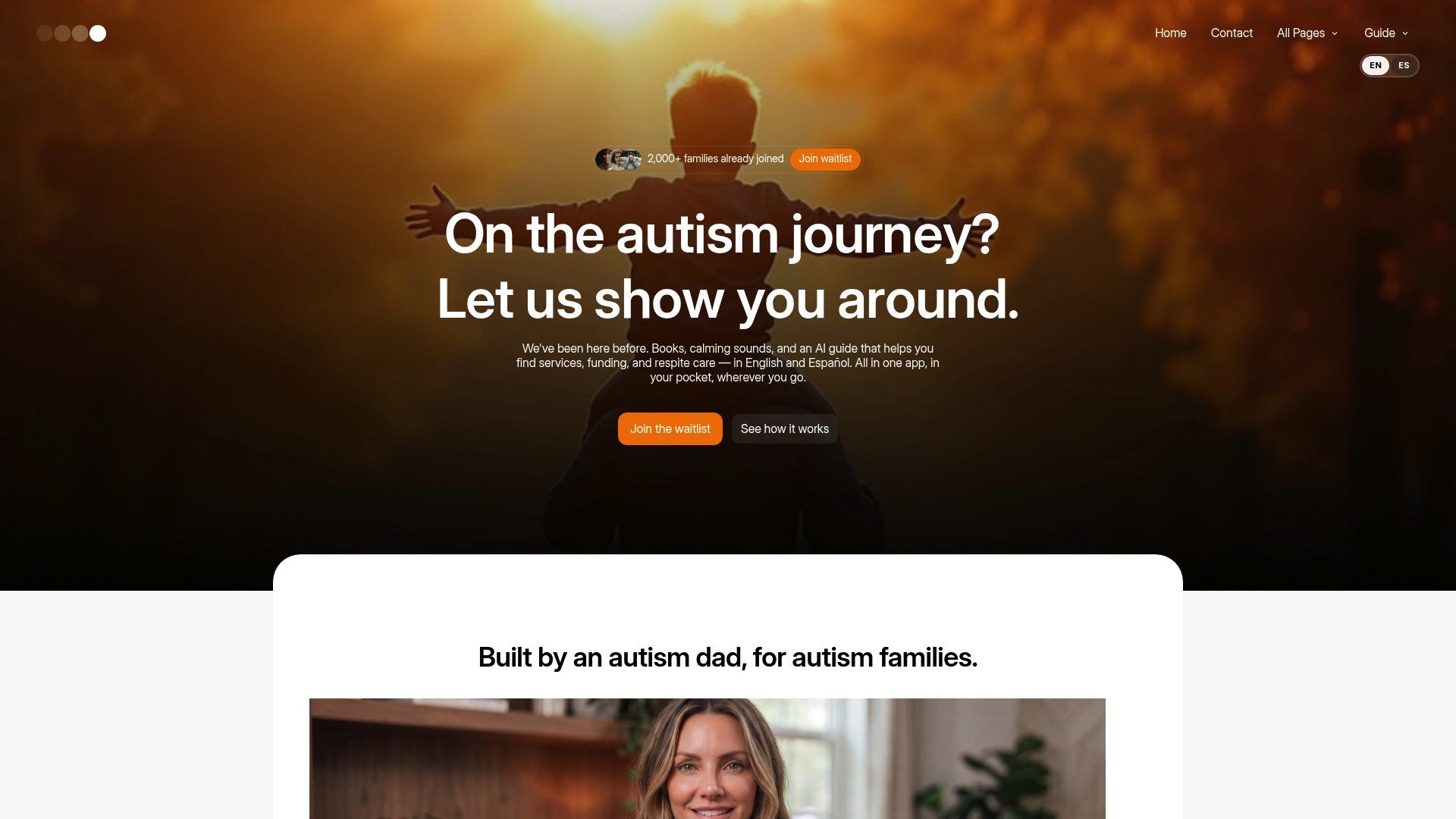
The app's state-specific funding and support navigator walks you through documentation templates built around exactly the kind of detail County Boards weigh in a WLA, plus bilingual (English and Spanish) educational content and AI-powered guidance you can return to whenever a new question comes up. If you're also researching how other states handle waiver waitlists or want a deeper primer on how these programs work nationally, our guides on Medicaid waiver waitlists and beating waiver waiting lists go further than this article can. Try the app free for five days, then choose the Monthly plan at $6.95 or the Annual plan at $49.95, whichever fits how your family plans ahead.
Sources
Keep these close during your application, since forms and rules change and official pages update faster than any blog can track.
FAQ
Can an autistic child qualify for Medicaid in Ohio?
Yes. An autistic child qualifies for Ohio Medicaid through the same eligibility categories any child uses, based on household income, residency, and citizenship or immigration status rather than the autism diagnosis itself. Getting a waiver on top of Medicaid requires a separate developmental disability level of care determination.
What is a Medicaid waiver for autism?
A Medicaid waiver is a program that pays for home and community-based services, like respite, therapy, and nursing, instead of institutional care. Ohio's three waivers for people with developmental disabilities, including autism, are Individual Options, Level One, and SELF.
Who qualifies for a Medicaid waiver in Ohio?
Anyone who is enrolled in Ohio Medicaid, meets the developmental disability level of care standard under OAC rule 5160-40-01, and needs at least one waiver service monthly can qualify. A person-centered plan documents that need before services are approved.
Can I get paid to stay home with my autistic child in Ohio?
In many cases, yes. Ohio waiver rules now allow a parent or other relative with legal decision-making authority to become a paid direct service worker for certain services after completing provider enrollment, a background check, and required documentation. It requires formal enrollment through PNM and PSM, not just an informal caregiving arrangement.
Recommended