
Two Georgia programs stand between your child and the services they need: Adaptive Behavior Services (ABS) through Medicaid's EPSDT benefit, and the NOW or COMP developmental disability waivers. ABS is available now, without a waiver, to Medicaid-eligible children up to age 20 with a DSM‑V autism diagnosis. NOW and COMP take longer and require a separate application. Your first move today: get the diagnosis documented, confirm Medicaid enrollment, and contact an enrolled ABS provider or your regional DBHDD office.
TL;DR:
Children with a DSM-V autism diagnosis can access behavioral therapy through Medicaid's EPSDT benefit without needing a waiver, provided they are enrolled in Medicaid and receive prior authorization.
The NOW and COMP waivers serve different needs, with NOW supporting independence and community participation and COMP offering intensive residential services for those with greater support requirements.
Waiver applications are separate from Medicaid enrollment and require documentation of medical necessity and safety risks to prioritize placement on the waitlist.
Starting early documentation of safety incidents, provider statements, and caregiver capacity can help families move up the waiver waitlist and speed up access to services.
The Autism Victory App offers tools, checklists, and support to help caregivers navigate Medicaid and waiver processes, including building required documentation and tracking waitlist status.
Table of Contents
What Georgia's Autism Medicaid Waiver Programs Actually Cover
Georgia doesn't make you wait on a list to start getting help. Adaptive Behavior Services, delivered through Medicaid's Early and Periodic Screening, Diagnostic, and Treatment (EPSDT) benefit, cover autism related behavioral therapy for Medicaid eligible children with a DSM‑V diagnosis, up to age 20. No waiver application. No years long wait. Just Medicaid enrollment, a diagnosis, and a request for prior authorization from a qualified provider.
That's the good news, and it's worth sitting with for a second, because most families searching for an autism Medicaid waiver in Georgia assume ABS and the waiver programs are the same thing. They aren't.
The New Option Waiver (NOW) and Comprehensive Support Waiver (COMP) programs exist for a different purpose. They're Georgia's developmental disability waivers, and autism qualifies alongside intellectual disability and other developmental conditions. The two waivers split by intensity of need:
NOW serves people who can live with family or independently, with support for skill building, community participation, and respite.
COMP serves people with more intensive needs, including residential services, when family based care isn't enough.
Federal Medicaid rules actually give states several ways to fund autism services, including EPSDT, Section 1915(i), 1915(c) waivers, or Section 1115 demonstrations. Georgia chose to fund core behavioral therapy through EPSDT specifically so families would not have to sit on a waiver waitlist just to access ABS. That's a deliberate policy choice, and the single most useful fact in this entire article is that you don't need to win the waiver lottery to get behavioral therapy started.
Who Qualifies, and What Georgia Wants to See
Medicaid enrollment is the foundation for everything else. Without it, neither ABS nor the NOW/COMP waivers are on the table. Beyond that baseline, eligibility splits into two tracks.
For ABS, your child needs a documented DSM‑V autism diagnosis and a demonstrated medical necessity for the specific therapy being requested. For NOW and COMP, Georgia requires an intellectual disability diagnosed before age 18, or another developmental disability (autism included) diagnosed before age 22, plus a level of care determination showing the person's needs meet an intermediate care facility standard.
Here's what surprises a lot of caregivers: the waiver application is a completely separate assessment from Medicaid enrollment, using different forms and different reviewers than the ones who approved your child's basic Medicaid coverage.
Priority on Georgia's waiver waiting list isn't handed out by application date alone. Documented health and safety risk, or a real risk of losing the primary caregiver, can move a family up. To build that case:
Keep dated incident logs describing any safety events, meltdowns, or elopement risks.
Request written statements from medical providers describing current risk factors.
Document your own capacity limits honestly, including any health issues or work conflicts that threaten your ability to keep providing care.
Pro Tip: Don't wait until the application is due to start this documentation. Begin a simple dated log the day you start considering a waiver, even if you're months away from applying. Reviewers respond to specificity, not vague concern.
How to Apply for the Autism Waiver in Georgia, Step by Step
Applying for ABS and applying for NOW/COMP run through different doors. Knowing which door to use first saves weeks.

For ABS, your enrolled provider (a licensed physician, licensed psychologist, or Board Certified Behavior Analyst) requests prior authorization through Alliant, Georgia's Medicaid utilization review contractor. You don't submit this yourself. Your job is finding an enrolled provider and getting the assessment scheduled.
For NOW and COMP, the application runs through DBHDD and the Georgia Collaborative ASO, often through the Individual IDD Connects portal. Here's the practical checklist:
Contact your DBHDD regional field office to start the intake conversation.
Gather your documents: DSM‑V diagnosis paperwork, psychological or developmental assessment reports, school IEPs if applicable, proof of Medicaid enrollment, and letters from treating providers.
Submit through the Georgia Collaborative ASO portal, in person, or by mail, whichever your regional office recommends.
Save every confirmation number and date. You'll need them for follow-up calls.
While you're assembling paperwork, keep these details straight:
Highest need applications may go through an external clinical review by Alliant before placement on the planning list.
Applications don't disappear into a void. You have the right to call and check status.
Once placed, review and renewal happen on a set cadence, not indefinitely.
What to Do While You're Waiting for a Waiver Spot
The waitlist doesn't have to mean a standstill. Georgia's structure was built, intentionally or not, to give families a working alternative while the waiver process plays out.
Start with ABS through EPSDT. Request prior authorization now if you haven't. Every month spent waiting on a waiver decision is a month a child eligible for behavioral therapy could be receiving it instead. Early diagnosis matters here too. Georgia's own public health data points to the importance of early screening and not delaying services for a waiver timeline that can run years in some cases.
Beyond ABS, lean on the network already built for Georgia families:
The Autism Society of Georgia runs respite programs, peer support, and family camps that fill real gaps while you wait.
Local early intervention and IDEA-based school supports can run in parallel with your Medicaid application.
Pediatric screening checklists, like this one covering common speech delay signs, help you catch developmental concerns early enough to act before problems compound.
Pro Tip: Keep every therapy note, provider letter, and incident report in one place from day one. When a waiver reviewer asks for evidence of need, families who can produce a clean paper trail move faster than families scrambling to reconstruct one.
What Caregivers Tell Us Actually Works
The honest version of this process: it's slow, it's paperwork heavy, and the waiver side of Georgia's system was never designed to move fast. Families who do best treat diagnosis and documentation as ongoing work, not a one-time task before an application deadline. They start ABS immediately instead of waiting to see what happens with a waiver. They keep dated records long before anyone asks for them.
None of that erases the wait. It just means the wait isn't wasted. If you want a structured way to track where your state's waitlist stands or organize your own paperwork, Autism Victory's checklists and state data were built around exactly this problem.
— Ronnie Talent
Where Autism Victory App Fits Into Your Georgia Application
The Autism Victory App provides state-specific guidance, checklists, and AI-powered support designed to help caregivers navigate paperwork and timing challenges in the application process.
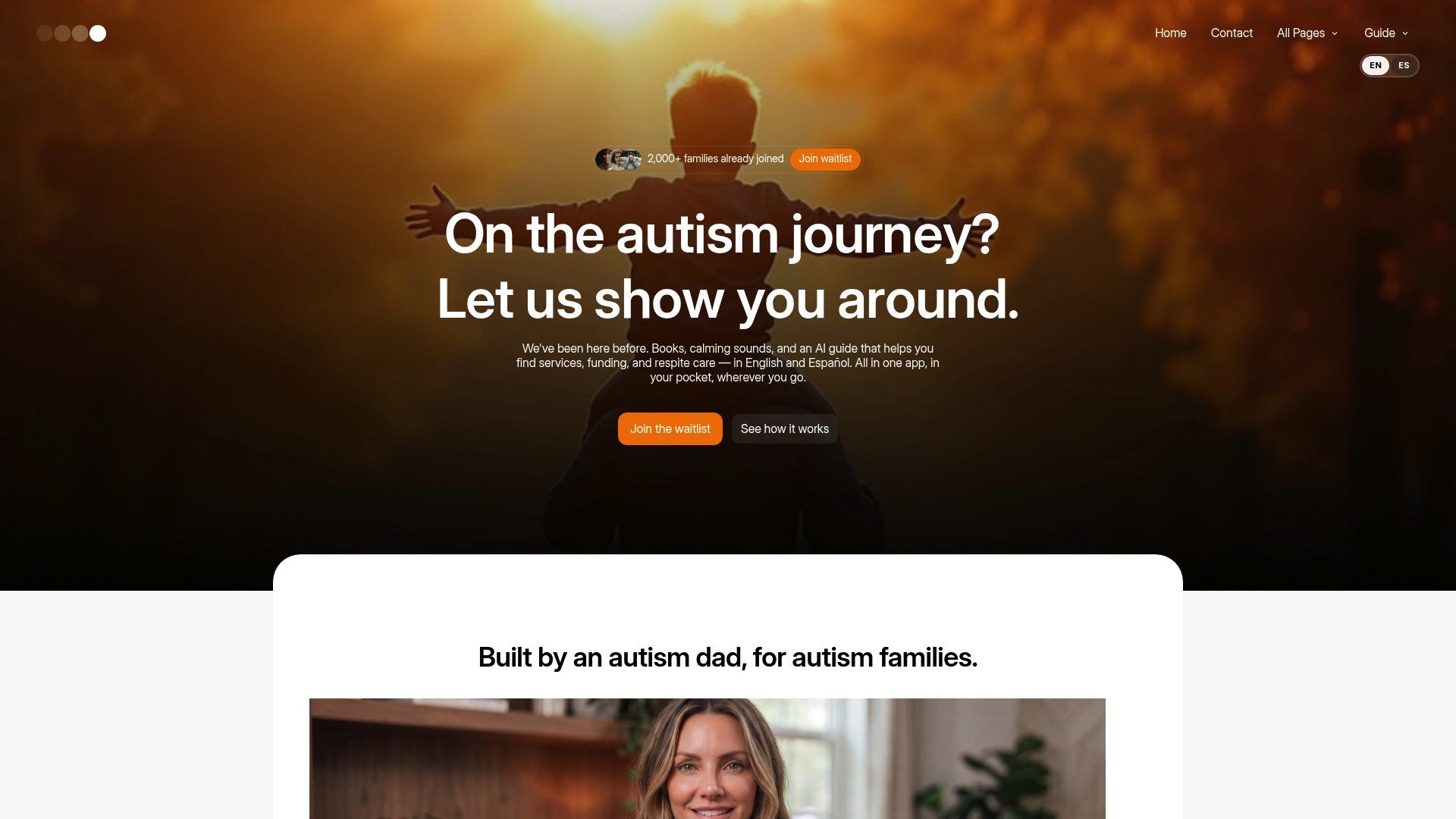
The app tracks Medicaid waiver waitlist data across states, helps you build the kind of documentation that strengthens priority placement, and offers bilingual (English and Spanish) resources for families who need support in either language. If you're also exploring whether caregiving itself can be compensated, the app's guidance on getting paid through waiver programs is worth a look too.
A 5-day free trial gets you into the full platform before you commit. After that, plans run $6.95 a month or $49.95 a year through Autism Victory's pricing page, where you can start your trial today.
Sources
Autism disorder services — Georgia Medicaid (Provider materials and PA instructions)
Autism Access & Innovation | Georgia Department of Public Health
Georgia Department of Behavioral Health and Developmental Disabilities (DBHDD)
FAQ
Does Georgia require a waiver for autism therapy services?
No. Adaptive Behavior Services are covered through Medicaid's EPSDT benefit for eligible children up to age 20, with no waiver required. NOW and COMP waivers cover broader developmental disability supports separately.
What's the difference between the NOW and COMP waivers?
NOW supports people with developmental disabilities who can live with family or independently, while COMP provides more intensive supports, including residential services, for those with greater needs.
How often does ABS require reauthorization?
ABS prior authorizations are typically issued in six-month increments, with a qualified provider completing a fresh assessment to justify continued services.
Can documentation improve my child's waiver priority?
Yes. Georgia's waiver priority isn't strictly first-come, first-served. Documented health and safety risks or caregiver loss risk can move a family higher on the planning list.
How much does Autism Victory App cost?
Autism Victory App offers a 5-day free trial, then $6.95 per month or $49.95 per year for full access to state-specific guidance, checklists, and bilingual resources.
Recommended