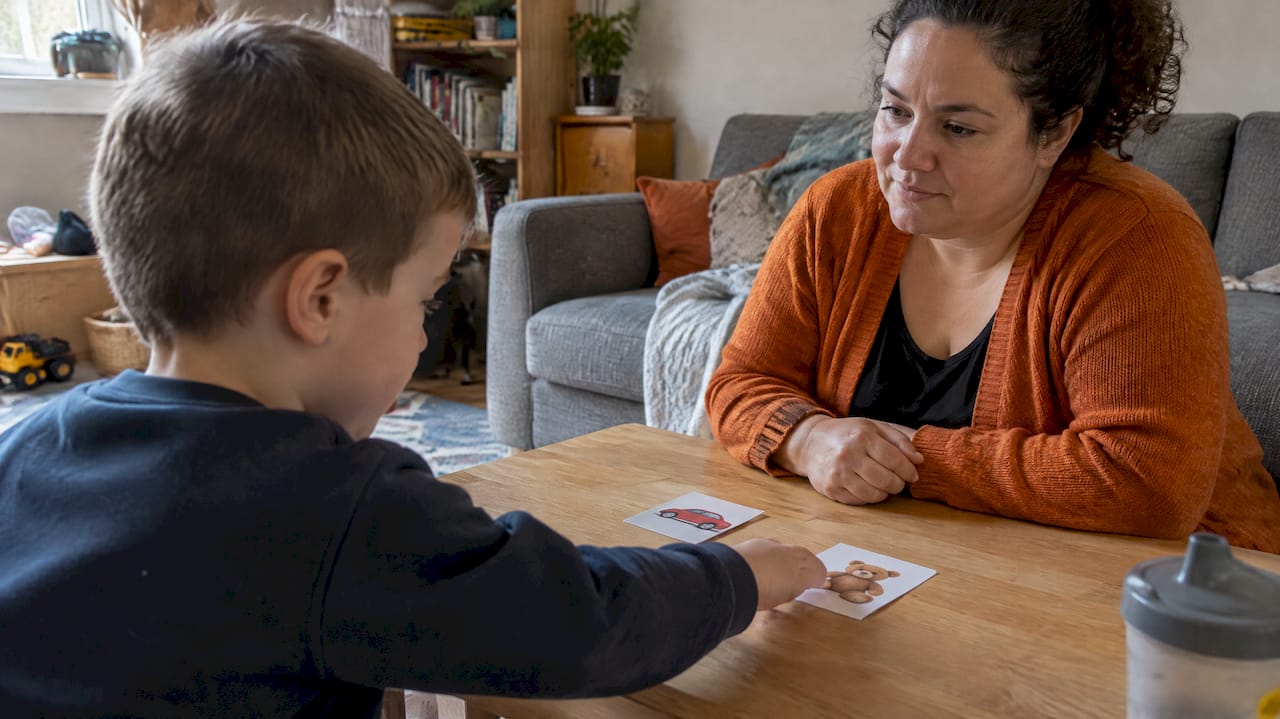
If you do these five things, calling ahead, scheduling a quiet slot, using a visual schedule, practicing exam steps at home, and requesting sensory accommodations, you’ll greatly reduce the chance of a meltdown and increase cooperation during the visit. That’s the whole strategy in one sentence, but each piece matters, and skipping any one of them tends to weaken the others.
Two things back this up. Research on video modeling and sensory-adapted clinic environments found real improvements in cooperation and lower distress during dental adaptation strategies for children with autism, and clinicians consistently point to early, individualized planning as the difference between a smooth visit and a canceled one. One caveat worth stating up front: sedation is sometimes clinically necessary, and that’s a decision for you and your dentist, not something to rule out on principle.
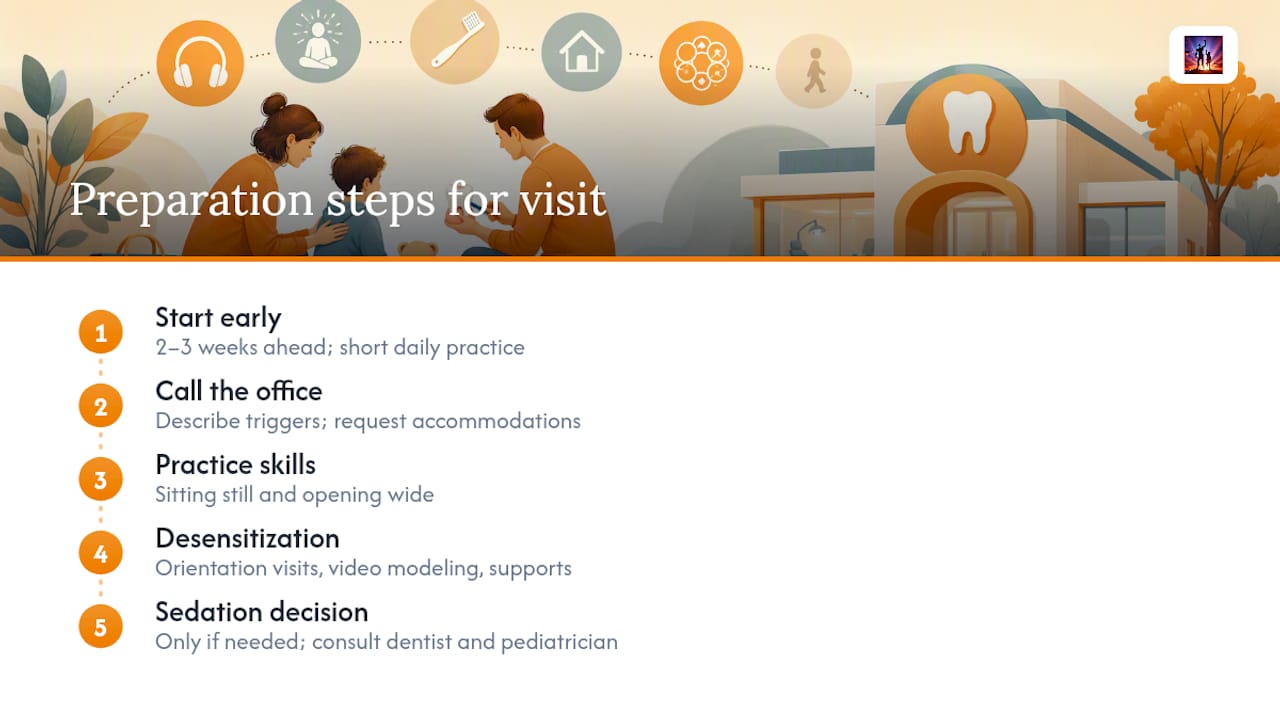
Call the office a week ahead and describe your child’s specific triggers.
Book the first appointment of the day or a known quiet slot.
Build a visual schedule showing each step of the visit in order.
Practice “open wide,” counting teeth, and sitting still for short stretches at home.
Ask in advance about headphones, dimmed lights, or a private room.
Pro Tip: Send the visual schedule to the office ahead of time. Some practices will walk through it with your child by phone or video before the actual appointment.
Key Takeaways
Calmer dental visits for children with autism depend on advance communication, home practice, sensory accommodations, and a dentist willing to individualize care.
Point | Details |
|---|---|
Call ahead with specifics | Tell the office exact triggers, calming preferences, and whether you’ll stay in the room. |
Practice in short bursts | Two to three minute sessions a few times a week build tolerance faster than one long rehearsal. |
Request real accommodations | Ask for dimmed lights, headphones, a private room, and a first-of-day or slow-hour slot. |
Try desensitization before sedation | Staged visits and video modeling reduce distress in randomized trials before pharmacologic options are needed. |
Use Autism Victory App as your toolkit | The app offers visual schedule templates, call scripts, and a calming audio library to run this exact plan. |
Table of Contents
Why Autism Makes Dentist Visits Harder
The dental chair stacks up nearly every sensory trigger a child with autism might struggle with at once: bright overhead lights, the whir of a drill, the smell of fluoride paste, gloved hands in the mouth, and a stranger’s voice giving instructions. Any one of these can be tolerable in isolation. Together, in an unfamiliar room, they can overwhelm a child’s ability to stay regulated.
A child who melts down in the waiting room isn’t being difficult. The nervous system is registering a genuine sensory assault, and the behavior you see is the output, not the problem itself.
That’s why routine matters so much. Predictability lowers the baseline anxiety a child carries into new situations, and a dental office is about as unpredictable as it gets: new smells, new sounds, a reclined chair, hands near the face. Children with autism face measurably higher risks of cavities and gum disease partly because sensory sensitivity and behavioral resistance make brushing at home harder, which in turn makes the dentist’s job harder, which increases the odds of a bad visit. It’s a loop, and breaking it starts with what happens before the appointment, not during it.
Preparing at Home: Your Week-by-Week Plan
Dental prep works best as a countdown, not a single conversation the night before.
Two to three weeks out. Start a visual schedule showing the sequence: car ride, waiting room, chair, “open wide,” counting, done. Pair it with a short social story that names each step in plain language. Read it together once a day, not as a lecture, just a familiar routine like a bedtime book.
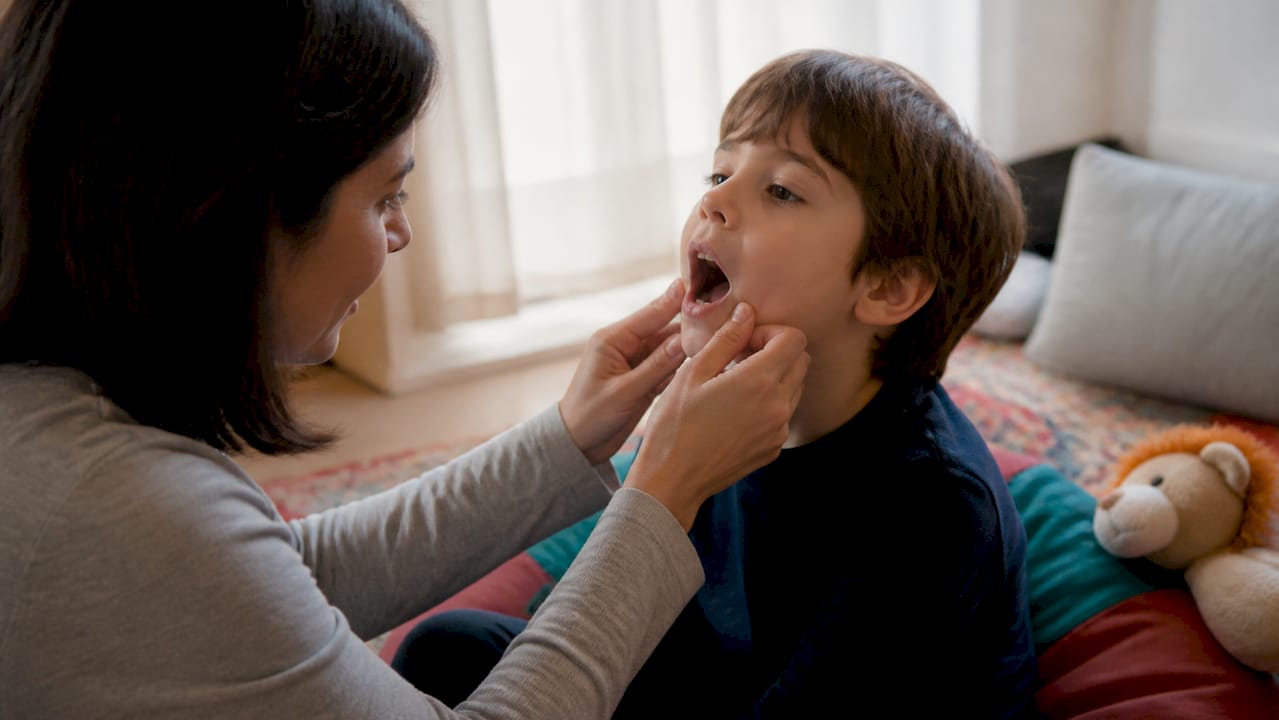
One to two weeks out. Begin short practice sessions, two or three minutes, a few times a week. Have your child sit in a chair, tilt their head back, and hold their mouth open while you count teeth with a soft toothbrush or your finger. Use a hand mirror so they can watch what’s happening instead of just feeling it happen to them.
Day 7: Practice sitting in a reclined position for 30 seconds.
Day 5: Add counting teeth out loud together.
Day 3: Introduce a soft-bristle brush or gauze near the teeth, briefly.
Day 1: Walk through the full visual schedule once more, calmly.
Day of: Bring a comfort item and the schedule card to the appointment itself.
For daily brushing, small adaptations go a long way: try an electric brush with adjustable vibration, unflavored or mild-flavored paste if mint is a trigger, and a firm-pressure hand-over-hand technique for kids who dislike light touch. The CDC’s oral health guidance for children offers a solid baseline that adapts well once you factor in texture and taste preferences.
Pro Tip: Practice “open wide” during a favorite show or song, not as a standalone drill. Pairing it with something enjoyable makes the exercise feel less like a test.
Scripting the Call to Your Dental Office
What you tell the front desk before the visit shapes what happens once you’re in the chair. A few minutes on the phone can save an hour of distress later.
Mention these specifics when you call:
Your child’s known sensory triggers (loud noise, bright light, certain textures).
Calming strategies that work at home (a specific song, a weighted lap pad, counting out loud).
Whether your child needs you in the room, or does better with you just outside.
Any consent or communication preferences, especially if your child is nonverbal or uses AAC.
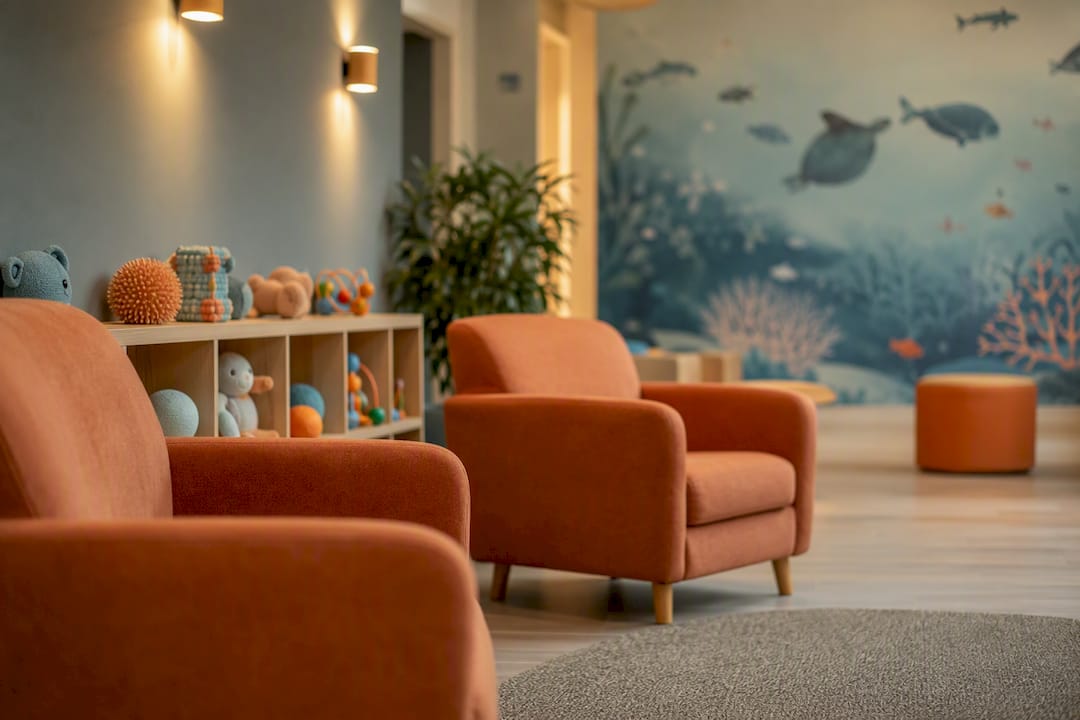
Harvard Health’s guidance on dental visits for autistic patients recommends requesting a quiet room, noise-canceling headphones, dimmed overhead lights, and a private operatory away from the general waiting area. Ask whether the practice offers desensitization visits, shorter sessions with no procedure at all, just to build familiarity with the room and staff.
Scheduling strategy matters as much as the accommodations themselves. First appointment of the day means less waiting-room noise and a less rushed dentist. Slow afternoon slots work too, if mornings clash with your child’s routine. Ask directly whether appointments can run longer than standard to allow breaks mid-procedure.
Pro Tip: Ask if the same hygienist and dentist can see your child at every visit. Familiar faces cut down on the “stranger danger” layer of dental anxiety fast.
Desensitization Methods With Real Evidence Behind Them
Not every calming technique is equally proven. Three approaches stand out because they’ve been tested in controlled research, not just recommended anecdotally.
Video modeling. Short clips, 30 to 90 seconds, showing a child going through one exam step at a time work best when they feature the actual office or similar staff and settings. Children watch, then imitate. A systematic review of randomized trials found this approach improved cooperation and reduced measurable anxiety across multiple studies.
Sensory-adapted environments. Dimmed lighting, soft background music, and optional weighted lap pads or vests changed outcomes in the same trials, lowering distress scores compared to standard clinic setups.
Staged desensitization visits. Rather than one big appointment, some practices break the process into steps: office orientation first, then sitting in the chair, then tolerating a light touch or brushing, then a brief non-invasive look, then eventually a full cleaning. Each stage might take more than one session, spread across several weeks.
None of these require special equipment you can’t ask for. They require a practice willing to slow down, and a plan you bring with you rather than hope the office improvises.
When Sedation or Anesthesia Makes Sense
Sedation isn’t a failure of preparation. Some procedures, deep cleanings, extractions, multiple cavities in one visit, are simply too invasive to complete safely while a child is anxious and moving. When behavioral strategies alone can’t provide a safe field to work in, sedation becomes a reasonable clinical tool rather than a last resort.
Try the non-drug route first: desensitization visits, video modeling, sensory accommodations, and shorter procedure segments with breaks built in. NIDCR’s clinical guidance frames minimal, least-restrictive intervention as the goal, with sedation reserved for cases where it’s genuinely necessary.
Before agreeing to any sedation plan, ask:
What type of sedation (nitrous oxide, oral sedation, general anesthesia) and why this level specifically?
What are the fasting requirements, and how will they be managed for a child with rigid eating patterns?
Who coordinates with your child’s pediatrician or other specialists beforehand?
What does recovery look like, and how long will monitoring last afterward?
Finding a Dentist Who Actually Gets It
Not every practice that says “we’re great with kids” means kids with sensory differences. A few signals separate the practices worth booking from the ones that’ll frustrate you.
Look for pediatric or special-needs training specifically, not just general pediatric dentistry. A strong sign: intake forms that ask about sensory sensitivities before your first visit, not after a bad one. Private treatment rooms, flexible scheduling, and a stated willingness to run desensitization visits without pressure to “just get it done” all point toward a practice built for this.
Red flags are just as telling. Watch for offices that won’t discuss accommodations over the phone, that only offer rigid appointment slots, or that have zero experience treating children with developmental differences. Ask occupational therapists, speech therapists, or local autism support groups for referrals; they often know which practices in the area actually deliver on their claims. A pediatric dentistry practice that lists sensory-friendly accommodations on its own site is usually a good starting signal.
Pro Tip: Call and ask one direct question: “Have you treated children with autism before, and what did that look like?” The answer, or the hesitation, tells you almost everything.
How Autism Victory App Supports This Whole Process
Every step in this plan has a matching tool inside the Autism Victory App. Visual schedule templates, printable call scripts for the dental office, a calming audio library for the car ride over, short caregiver-training videos on brushing techniques, and state-specific support resources all live in one place instead of scattered across a dozen browser tabs.
Downloadable visual schedules and social stories for dental prep
Calming sound library for waiting rooms and car rides
Pre-written call scripts caregivers can adapt and send to their dental office
Caregiver community where parents share what worked at specific local practices
The app is built around what caregivers actually need in the moment, not just information to read once.
A Small Ritual That Changes Everything
Two minutes of practice, a few times a week, done consistently, will outperform one long lecture the night before an appointment. I’ve seen how much smoother things go once a family turns “open wide” practice into a tiny daily ritual instead of a big event.
Progress here is rarely dramatic. It’s a slightly calmer car ride, a shorter meltdown, one extra minute in the chair. Celebrate that. It adds up.
Put This Plan Into Action Today
Reading a plan and running it under pressure in a dentist’s waiting room are two different things. The Autism Victory App turns this article into something you can actually hand your child: a visual schedule you build in minutes, a calming audio track for the car ride, a call script ready to send to the front desk, and a community of caregivers who’ve already sat through the same appointment you’re dreading.
Every feature maps to a specific step above: the schedule templates for your two week countdown, the sensory strategy guides for the waiting room, and the caregiver community for finding out which local practices actually deliver on their “autism-friendly” claims. Start the 7 day free trial at Autism Victory App and build your child’s first visual schedule before your next appointment is even booked.
Frequently Asked Questions
How do I prepare my autistic child for a dentist visit? Start two to three weeks ahead with a visual schedule and short daily practice of sitting still and opening wide. Call the dental office in advance to describe sensory triggers and request specific accommodations like a quiet room or dimmed lights.
What accommodations can I request for an autism-friendly dentist appointment? Common requests include first appointment of the day, a private operatory, noise-canceling headphones, dimmed overhead lighting, and permission to bring a comfort item or weighted lap pad into the room.
Is sedation necessary for autistic children at the dentist? Not always. Many children do well with desensitization visits, video modeling, and sensory accommodations alone. Sedation becomes appropriate when a procedure is too invasive to complete safely without it, and that decision should involve your dentist and pediatrician together.
How do I find a good special-needs dentist near me? Ask occupational therapists, speech therapists, or local autism support groups for referrals. Look for practices with sensory-friendly intake forms, pediatric or special-needs training, and a willingness to schedule no-procedure orientation visits first.
What are signs of dental anxiety in autistic children? Watch for stimming increases, refusal to enter the room, covering ears or eyes, rigid body posture in the chair, or sudden shutdown and nonresponse. These often signal sensory overload rather than defiance.
This article is general information, not a substitute for advice from a qualified doctor. Consult a qualified healthcare professional about your own circumstances before acting on anything here.
Sources
Significance of oral care for children with autism spectrum disorder—narrative literature review
Making visits to the dentist easier for people with autism spectrum disorder - Harvard Health
Recommended